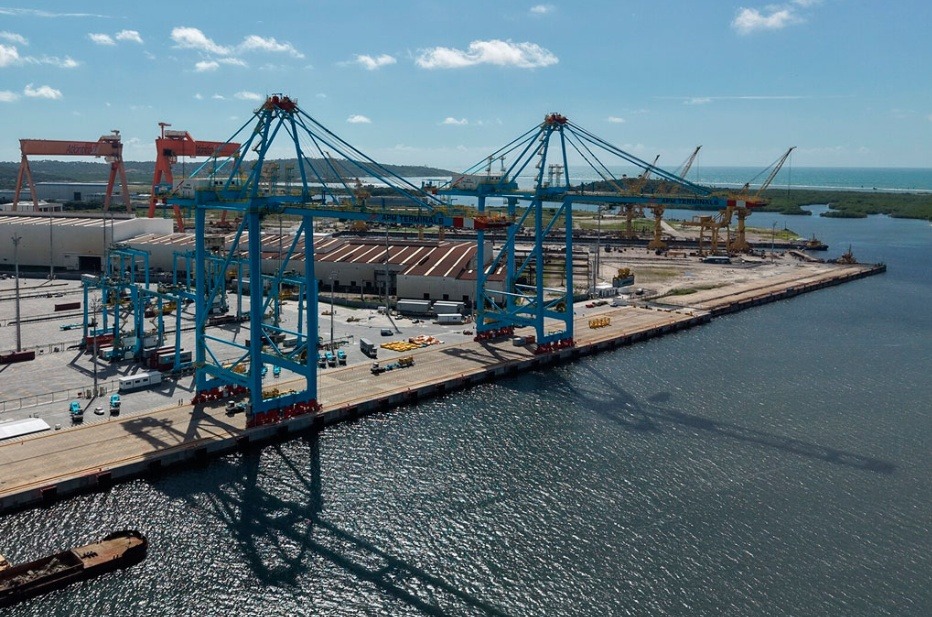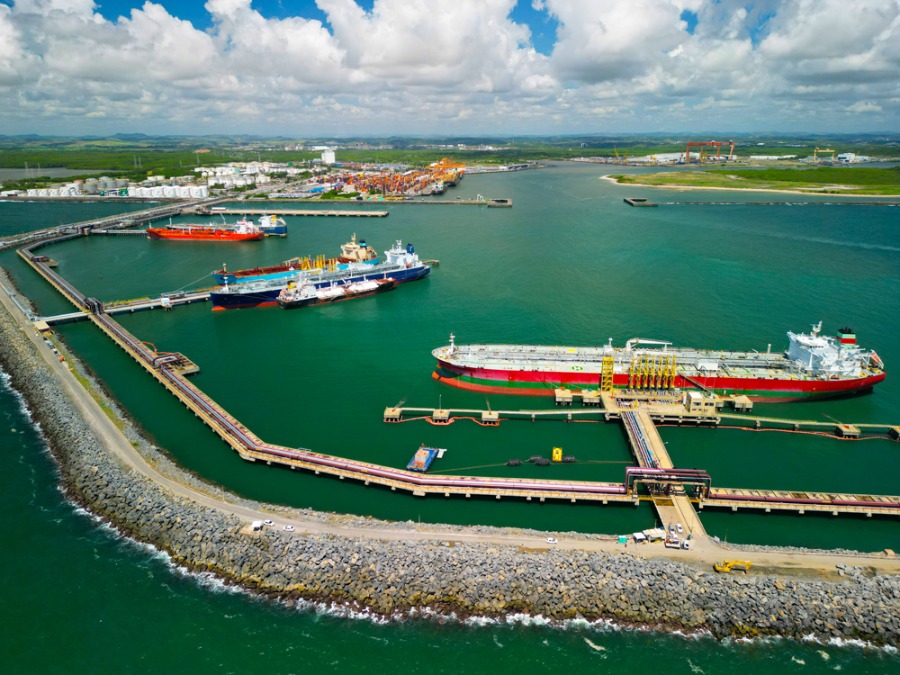
The Suape Industrial Port Complex, in Pernambuco, renewed its national port security certification for another five years, maintaining recognition of compliance with the ISPS Code — International Code for the Protection of Ships and Port Facilities.
The renewal was granted by the National Commission for Public Security at Ports, Terminals and Navigable Waterways (Conportos) following an evaluation process that involved technical audit and analysis of the complex's Port Security Plan.
Suape has maintained the certification since 2004, consolidating more than two decades of operations under the international protection requirements applicable to port facilities participating in international maritime commerce.
Security far beyond the gates
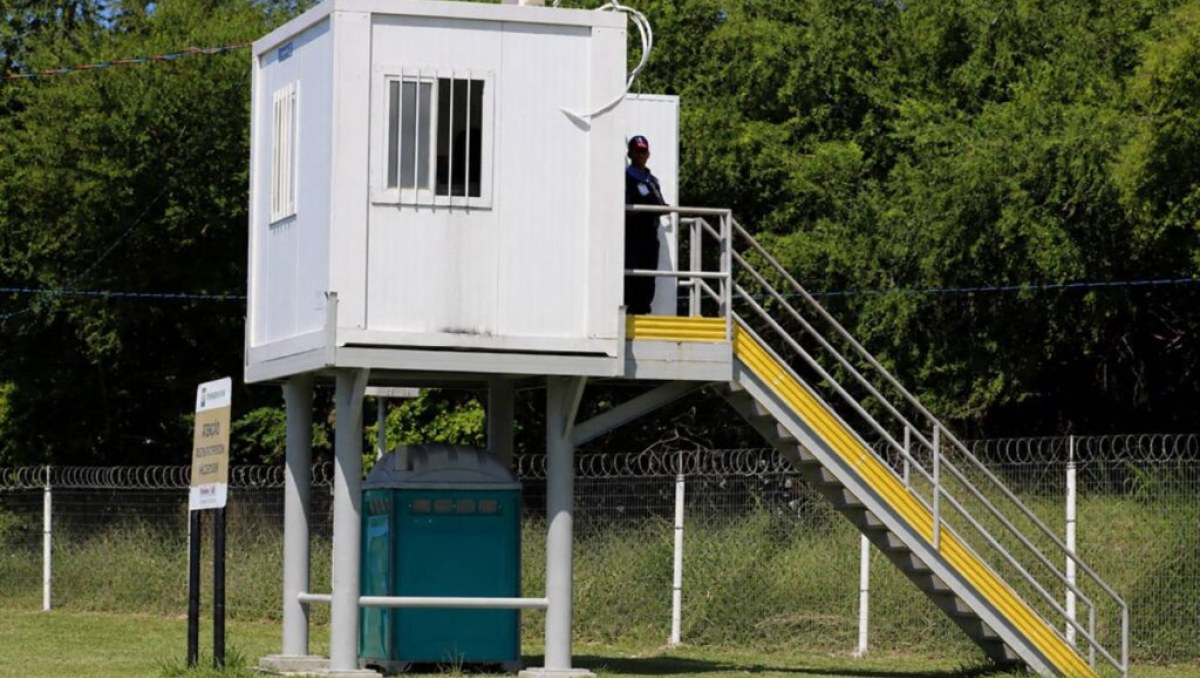
The certification involves a permanent structure designed to prevent and respond to threats that may affect ships, facilities, cargo, workers and other port users.
Among the investments made by Suape is an electronic monitoring system comprising 322 high-definition cameras, distributed throughout the port area.
The complex also modernized its access control systems, updated identification and credentialing mechanisms and revised rules for the entry and movement of people and vehicles.
The new Standards for Access of People and Vehicles to the Organized Port of Suape (NAPV) came into force in February 2026 and govern the entry and departure of people, vehicles, goods and merchandise in areas under port control.
What does the ISPS Code mean?
Created under the auspices of the International Maritime Organization (IMO), the ISPS Code establishes international procedures designed to identify risks and enhance the protection of ships and port facilities.
The code gained force following the September 11, 2001 attacks, when the security of strategic infrastructure began to occupy an even more relevant position on the international agenda.
In practice, a port that meets ISPS Code requirements must maintain procedures related to access control, restricted areas, monitoring, identification of vulnerabilities, contingency plans and response to different threat levels.
It is not, therefore, merely a matter of watching the wharf.
Protection begins with controlling who enters the facility and extends to procedures designed to ensure the security of vessels and cargo being handled.
Integrated security
The protection of Suape's facilities also involves joint action by different public agencies.
The Federal Police, Brazilian Navy, Brazilian Federal Revenue and other institutions linked to port security participate in the integrated system designed to prevent illicit activities and protect operations.
This model gains importance given the scale and diversity of activities carried out at the Pernambuco complex.


Suape handles containers, liquid bulk cargo, vehicles and different types of cargo, in addition to receiving vessels linked to some of the Northeast's main logistics chains.
Certification comes at time of growth
The renewal takes place at a time of expansion in port cargo movement.
In the first half of 2026, Suape handled approximately 13.7 million tons, a growth of 25.6% compared to the same period in the previous year.
The number of berths also advanced.
There were 832 ship calls, an increase of 14.3% when compared with the first six months of 2025.
This growth reinforces the need for a security structure capable of keeping pace with the increased flow of vessels, workers, trucks and cargo within the complex.
Security is also competitiveness
For a port integrated into major international shipping routes, security cannot be treated merely as a regulatory obligation.
It also represents competitiveness.
``` ```htmlShipowners, shippers and logistics operators need predictability that cargoes, vessels and crews will be operating within a facility subject to internationally recognized protocols.
The renewal of the ISPS Code reinforces precisely this condition.
In a sector where productivity is typically measured in tonnes moved, TEUs and vessel operating time, there is another indicator less visible but equally strategic: the ability to operate safely.
And as Suape expands its cargo movement and receives new port investments, maintaining this standard will be as important as increasing its physical capacity.
Because a competitive port needs to move more.
But above all, it needs to move safely.
```