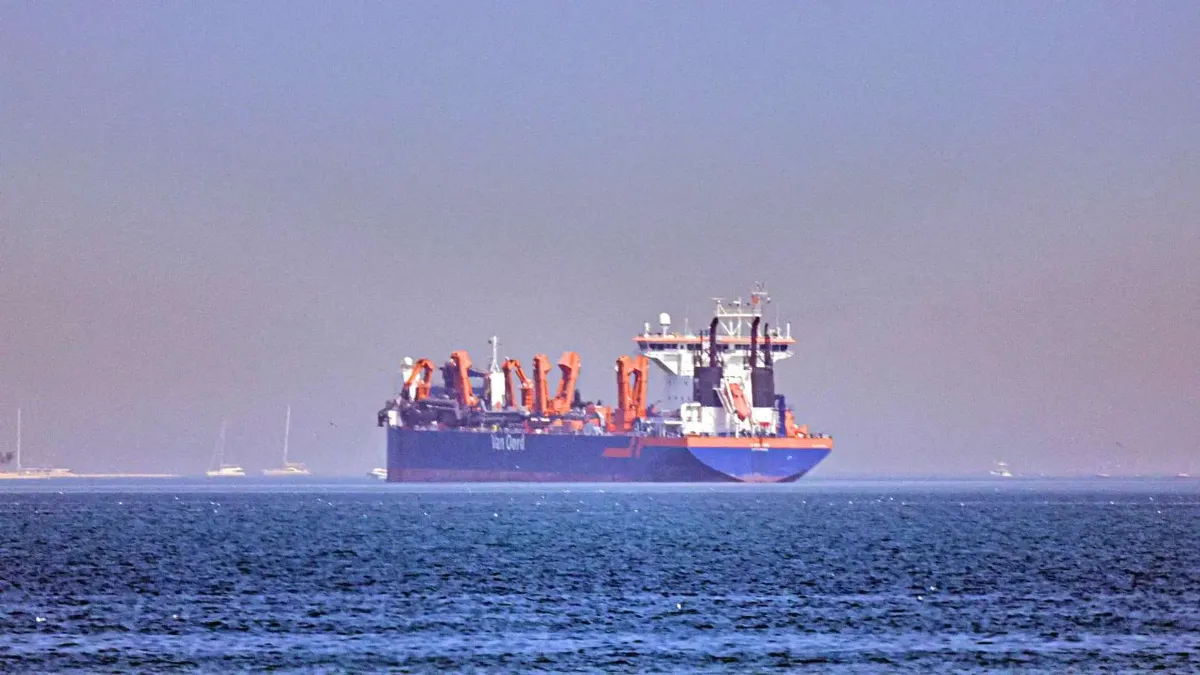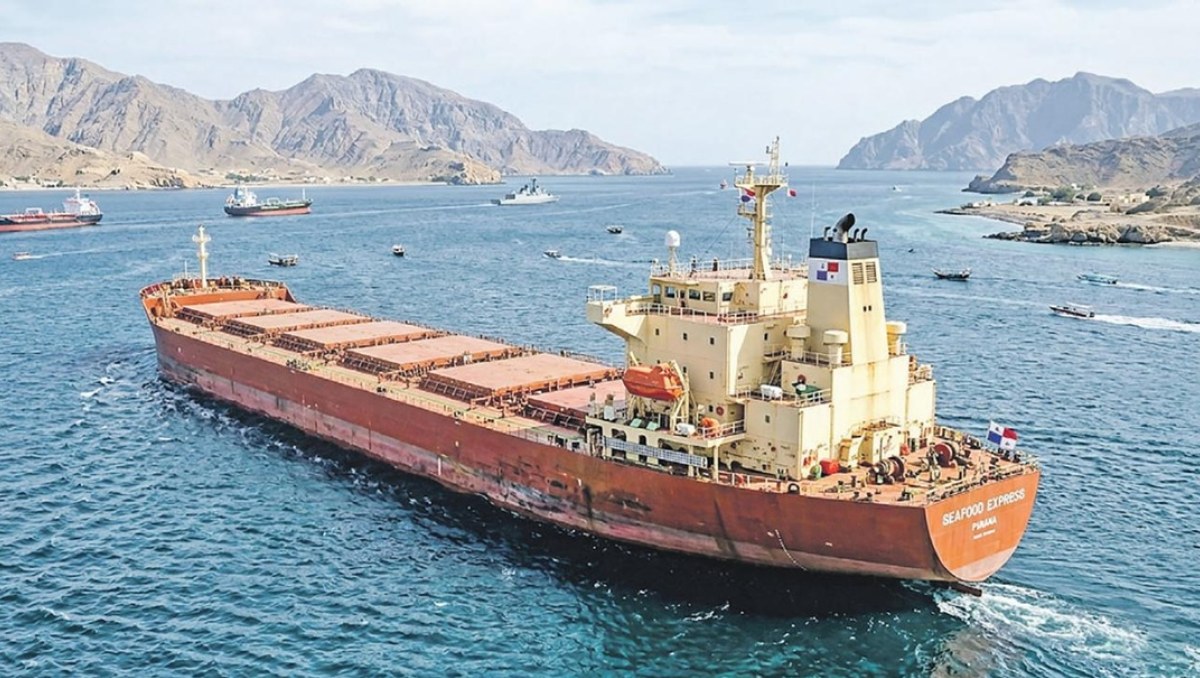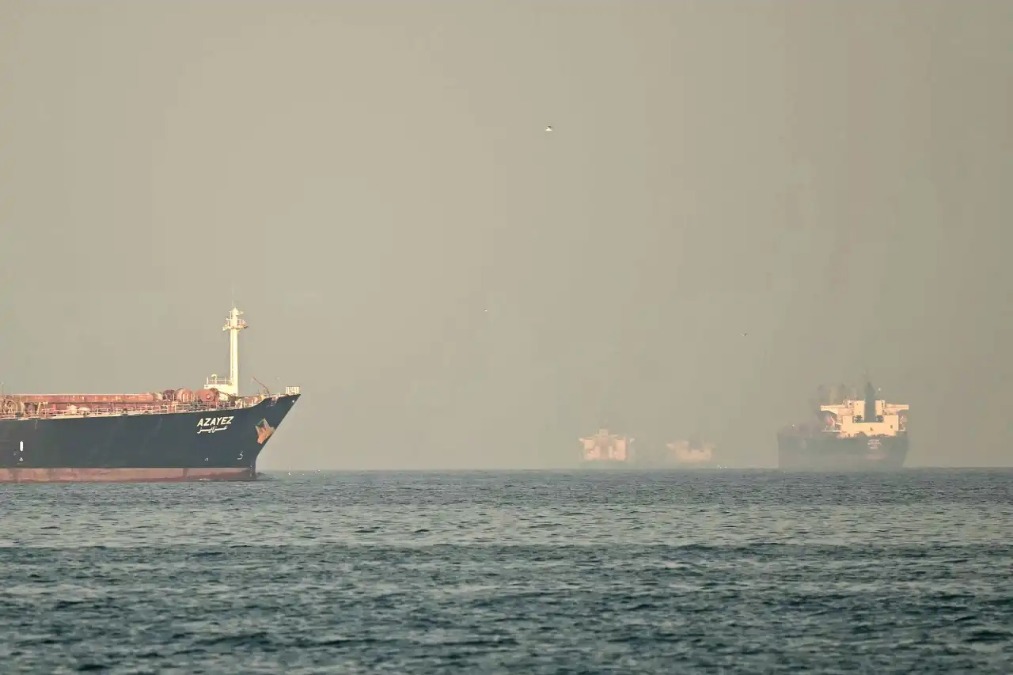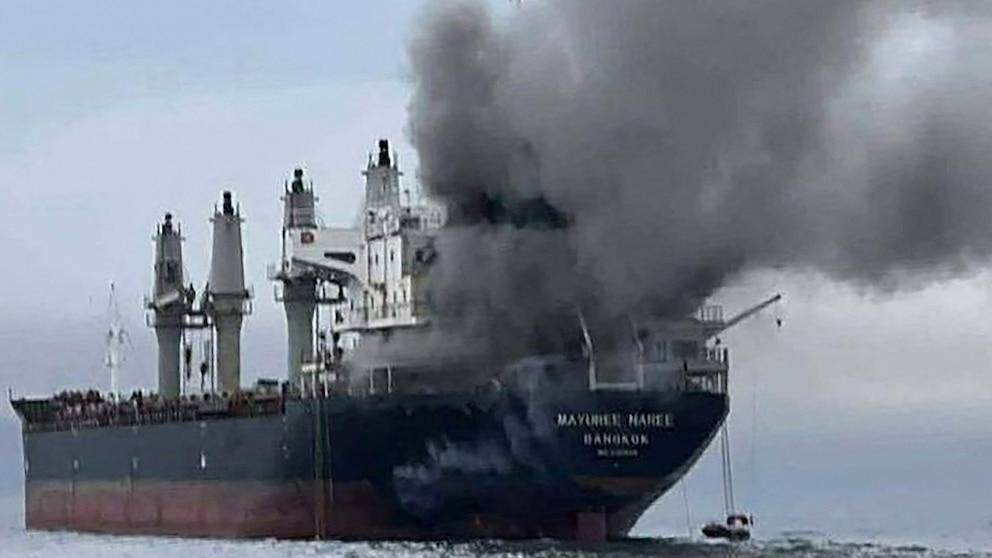
The Strait of Hormuz is once again under heavy pressure, following suspicions that Iran may have begun placing mines on that maritime route, albeit in a limited manner.
The information, cited by CNN, emerges at a time of heightened regional tension and reinforces fears of a further deterioration in security conditions in one of the world's most strategic commercial passages. At the same time, Donald Trump stated that there are, for now, no confirmed reports of mine placement in the strait. Nevertheless, he issued a stern warning, arguing that should this situation be confirmed, those mines would have to be removed immediately, on pain of potentially severe military consequences.
For maritime transport, the effect of a threat of this nature can be immediate, even without official confirmation. The mere possibility of mines is sufficient to elevate operational risk, drive up war risk insurance premiums, and lead shipowners, shipping companies and insurers to reassess schedules, transits and coverage terms in an area already marked by strong instability. More than a sensitive point on the map, the Strait of Hormuz is a vital artery of global energy commerce.
About one-fifth of oil transported by sea passes through this route, which means that any threat to its security can have direct repercussions on commercial navigation, logistics costs and the balance of international markets.


This publication was generated from information in the original feed. Credits and source reference have been included at the end of the text.
Source: https://portaldomar.org/2026/03/11/suspeitas-de-minas-no-estreito-de-ormuz-agravam-risco-para-o-transporte-maritimo/
```