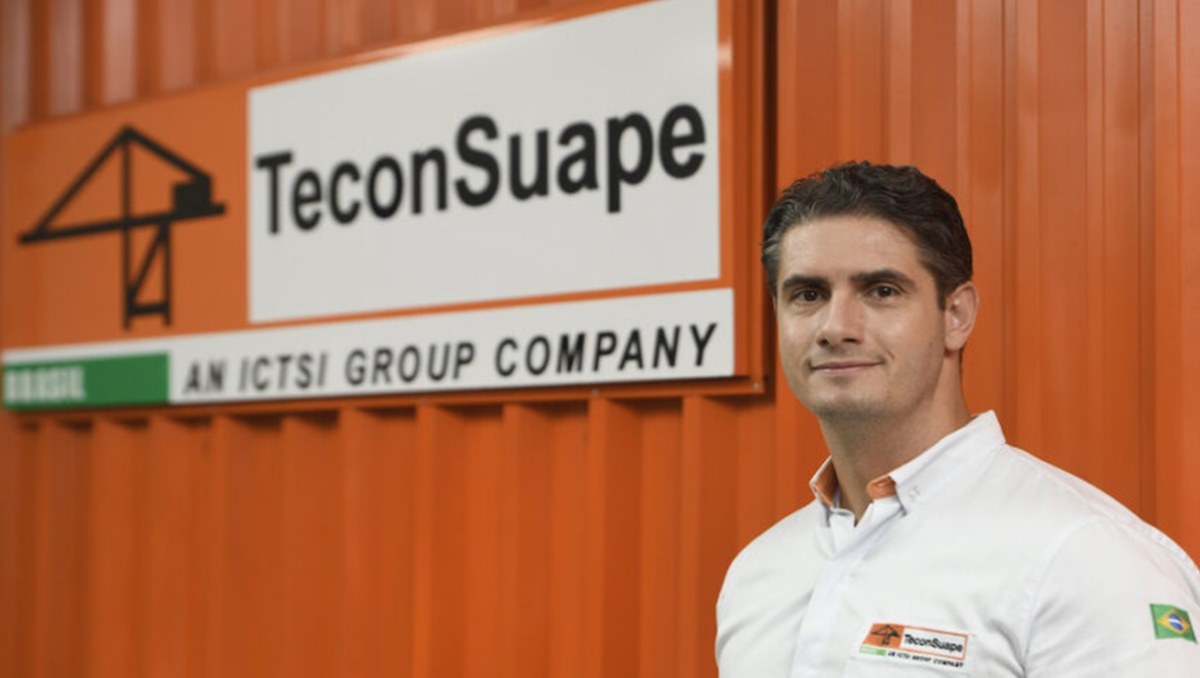
An important change in container handling at Suape Port in Pernambuco may produce consequences that go far beyond the commercial dispute between two terminals.
Tecon Suape, controlled by international operator ICTSI, admits it is evaluating even the early return of its lease contract should the transfer of Maersk cargo to the new APM Terminals facility make the operation economically unsustainable.
Tecon Suape's current contract remains valid until 2031.
The concern arose after Maersk formally communicated that it will cease handling its cargo at the terminal operated by ICTSI and will redirect it to the APM Terminals facility, a company belonging to the same economic group as the Danish shipowner.
According to information disclosed by Agência Transporte Moderno, ICTSI estimates that the change could represent a loss of between 30% and 35% of Tecon's container handling volume.
From 720,000 to 450,000 TEUs
The numbers help illustrate the impact.
Tecon Suape handled approximately 720,000 TEUs in 2025. With the departure of Maersk cargo, the terminal management's estimate is that this volume could drop to approximately 450,000 TEUs.
The problem is that the break-even point for the operation is currently around 550,000 TEUs per year, taking into account operating costs, concession fees, and other commitments related to the lease.
This would put the terminal about 100,000 TEUs below the volume considered necessary to sustain its current operational structure.
In projections presented by Tecon Suape's CEO, Thomas Lima, considering market growth of close to 2% per year and without winning new cargo, it could take approximately 12 years for the terminal to return to its break-even point.
In this scenario, early return of the lease contract began to be considered by the company.
New terminal changes the game at Suape
The dispute occurs precisely following a structural transformation in the container market of the Pernambuco complex.
For more than two decades, Tecon Suape was the only specialized terminal handling this type of cargo at the port.
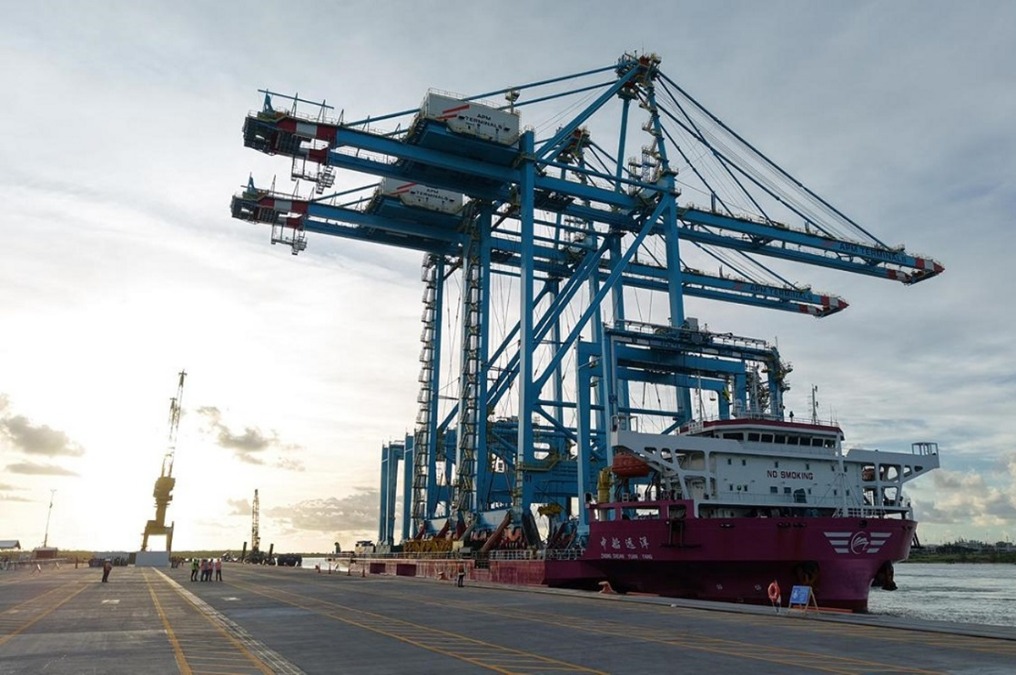
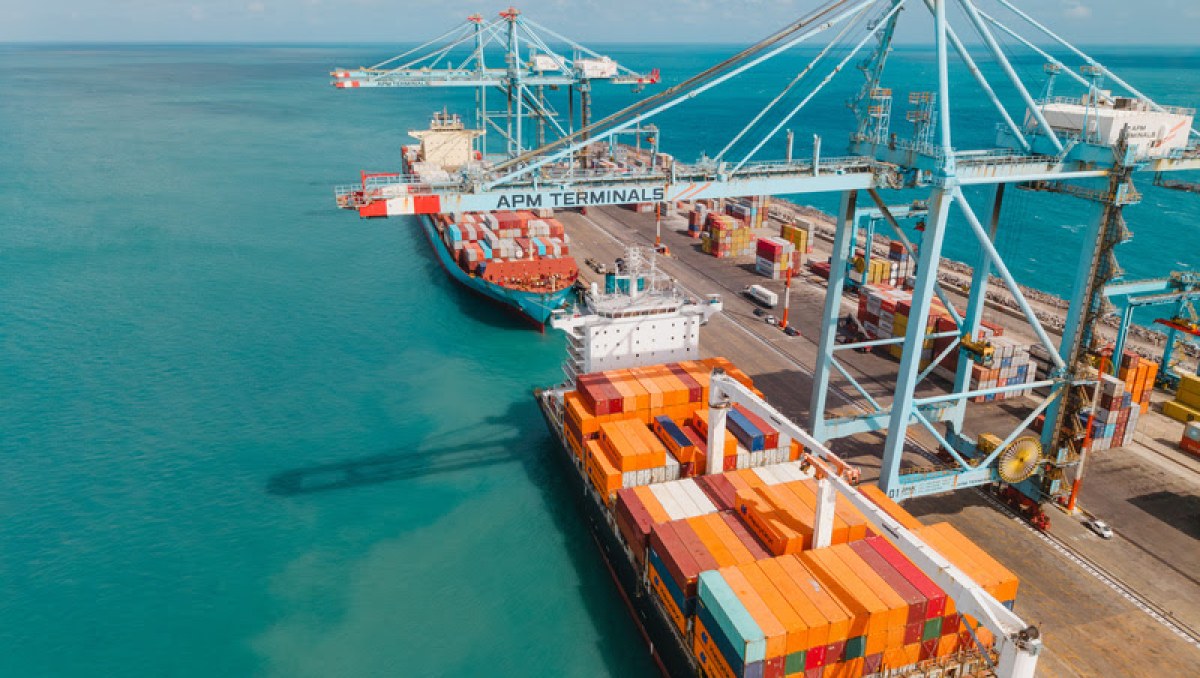
Now the scenario has changed with the arrival of APM Terminals Suape.
The facility received investments exceeding US$ 350 million and was initially designed to handle up to 400,000 TEUs per year, increasing Suape's container handling capacity by approximately 55%.
The terminal also stands out for its electrified infrastructure and high level of automation.
The entry of a second operator could simply represent an expansion of competition. The point raised by ICTSI, however, lies in the corporate relationship between terminal and shipowner.
APM Terminals is part of the A.P. Moller-Maersk group.
Dispute reaches Cade
It is precisely this vertical integration that has elevated the dispute to another level.


Tecon Suape operates as a leased terminal located within the organized port, subject to the obligations, payments, and rules established in its contract.
The APM Terminals facility, meanwhile, operates as a Private-Use Terminal (TUP), subject to a different legal regime.
Furthermore, while ICTSI presents itself as an independent operator—or "neutral flag"—serving different shipping companies, APM Terminals has a link with one of the world's largest shipowners.
For ICTSI, the transfer of volumes previously handled by Tecon to a terminal belonging to the same economic group as Maersk deserves analysis also from a competition perspective.
The matter has already reached the Administrative Council for Economic Defense (Cade).
Among the proposals defended by ICTSI is to consider the average of Maersk cargo handled by Tecon Suape over the past five years as a reference and preserve that volume at the leased terminal. Competition between the two operators would occur, in this view, primarily over new volumes attracted to the complex.
TCU is also in the case
There is yet a second line of questioning.
``` ```htmlICTSI contests the procedures related to the use of the area where the APM Terminals terminal was installed.
The land had originally been designated for shipbuilding activities and used by Estaleiro Atlântico Sul (EAS). Subsequently, part of the area was acquired by APM Terminals for the implementation of the new port facility.
The discussion about the change in purpose of the area was brought to the Court of Accounts of the Union (TCU).
There are, therefore, two distinct discussions: one on competition, involving the transfer of cargo and vertical integration between shipowner and terminal operator; and another related to the intended use of the area occupied by the enterprise.
A discussion that goes beyond Suape
The Pernambuco episode places once again at the center of Brazilian port debate a question that tends to gain ever greater importance: how far does competition go when shipowners also control terminals?
Vertical integration is not new in the international maritime industry. Major shipping groups have been expanding their presence in terminals, land logistics, warehousing and other links in the supply chain.
The Suape case, however, may become particularly relevant to the Brazilian market because it puts two distinct models face to face: on one side, a leased terminal independent of shipowners; on the other, a private-use terminal (TUP) belonging to the same economic group as one of the world's largest shipping companies.
For the port sector, the central discussion should be finding the balance between attracting private investment, increasing capacity, shipowners' commercial freedom and preserving an effectively competitive environment among operators.
As this discussion advances in the competent agencies, one consequence is already clear: the entry of APM Terminals profoundly changed Suape's container market.
And, depending on the next chapters, this change may extend to the continued presence of the current Tecon in the Pernambuco port complex.
Information sources: Agência Transporte Moderno, APM Terminals and Ministry of Ports and Airports.
Text and editing: Jornal Portuário.