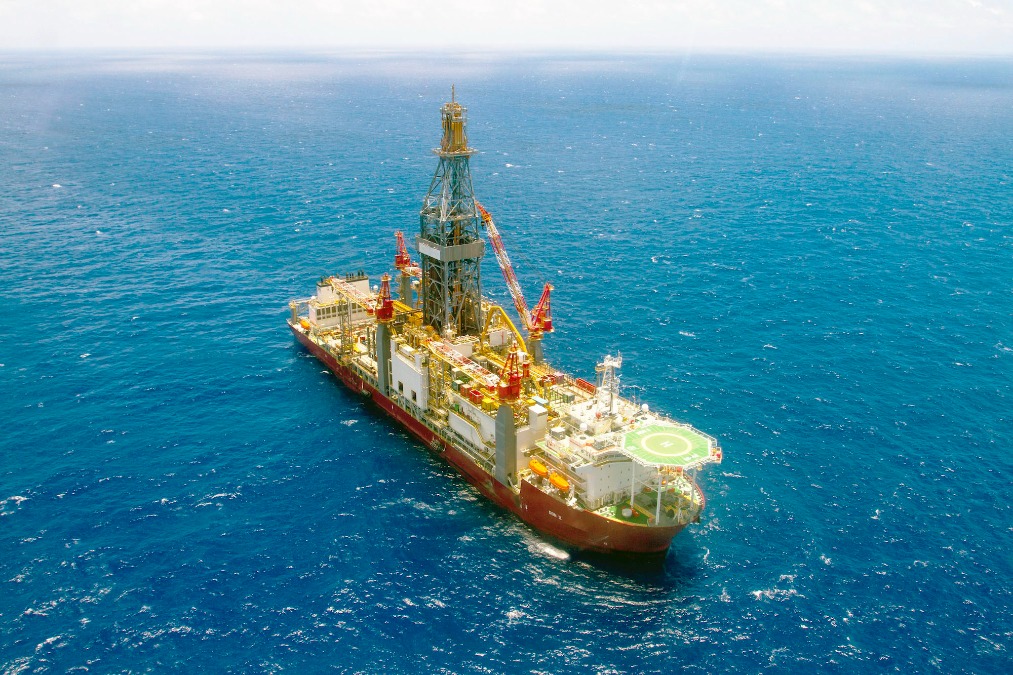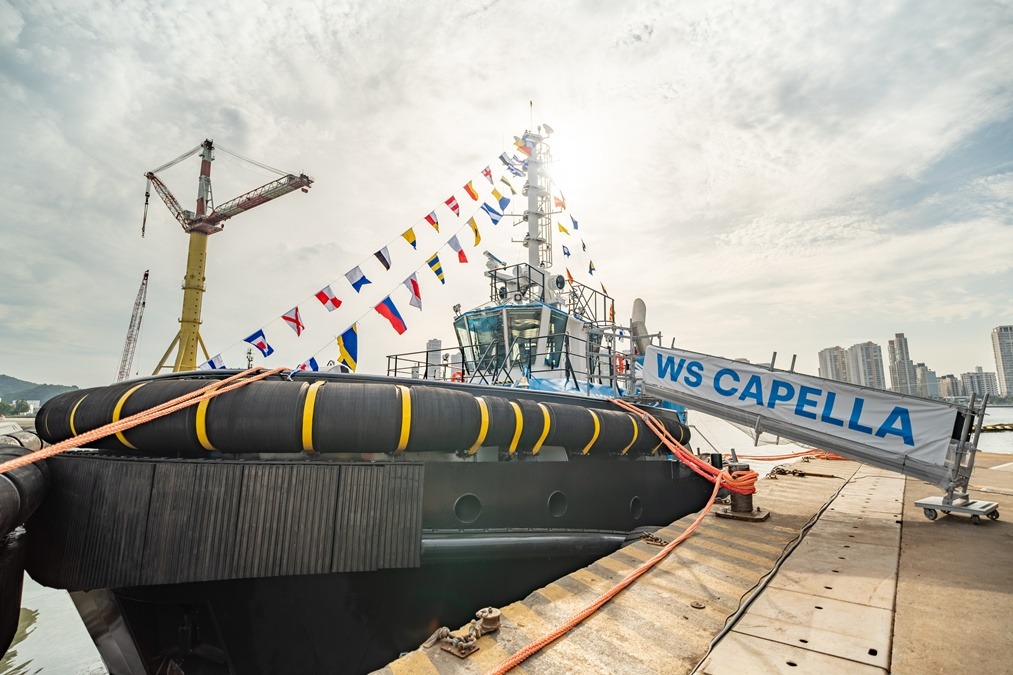
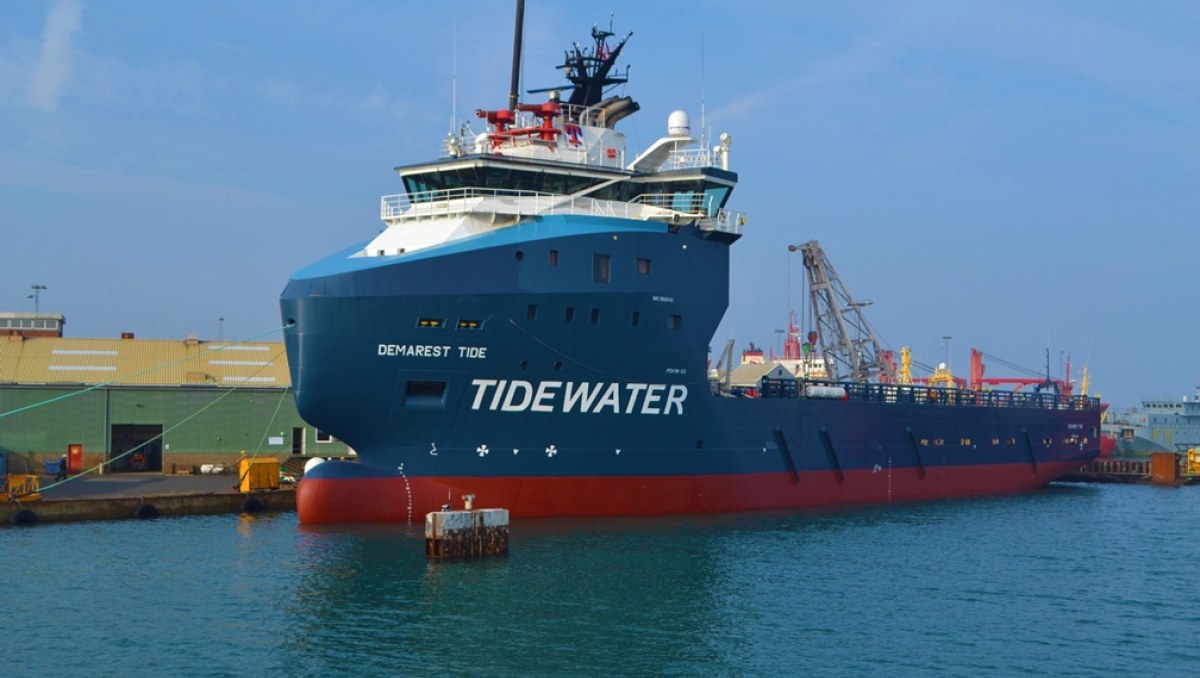
Tidewater concluded the acquisition of Wilson Sons Ultratug Offshore (WSUT), in a transaction that significantly expands its presence in the Brazilian maritime support market. The deal became effective on August 31 and includes Wilson Sons Ultratug Participações and its affiliate Atlantic Offshore Services.
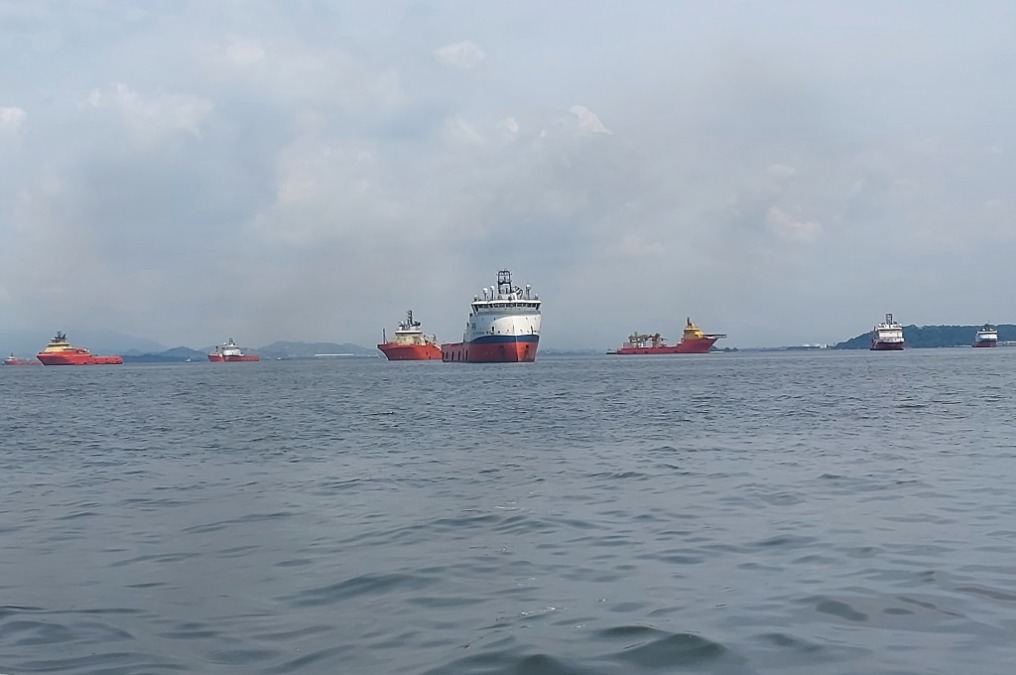
With the transaction, 22 PSV-type vessels now become part of Tidewater's structure. The acquisition transforms the company's scale in Brazil: the local fleet, previously comprised of six vessels, now counts 28 units.
The move also strengthens the company's position in the international offshore support vessel market, a segment responsible for serving platforms, production units and oil and gas exploration projects in the open sea.
Deal valued at US$ 500 million
When the acquisition was announced in February 2026, the transaction was valued at approximately US$ 500 million, considering the company's value and the incorporation of existing debt.
Tidewater informed that the acquisition would be carried out with available cash resources. The structure also provided for the maintenance of approximately US$ 261 million in financing contracted by WSUT with the National Bank for Economic and Social Development (BNDES) and Banco do Brasil.
The agreement received unanimous approval from Tidewater's board of directors and underwent review by regulatory bodies, including the Administrative Council for Economic Defense (Cade).
The transaction was initially scheduled to close in the second quarter, but the closing was rescheduled for late August.
Purchase involves offshore operation, not entire Wilson Sons Group
The acquisition is concentrated on Wilson Sons Ultratug Offshore and Atlantic Offshore Services. This means the deal does not represent the full purchase of the Wilson Sons Group nor does it automatically include its activities in container terminals, port tugboats, shipyards, maritime agency services and support bases.
WSUT was structured as a partnership between Wilson Sons and Chilean group Ultramar, with specialized operations in support of oil and gas exploration and production activities.
Its fleet is comprised mainly of PSV-type vessels — Platform Supply Vessel. These ships transport equipment, spare parts, water, fuel, chemical products, food and other supplies necessary for the operation of maritime units.
Beyond deck transportation, PSVs have specific tanks for liquid cargo and materials used in drilling, completion and well maintenance activities.
Brazilian fleet has strategic weight
Among the 22 vessels acquired, 19 were built in Brazil. This point helps explain Tidewater's interest in the operation.
Brazilian legislation grants priority to vessels flying the national flag and built in the country under certain contracting and chartering conditions. In this way, controlling a predominantly Brazilian fleet can represent a competitive advantage in bidding processes and long-term contracts.
The structure also offers capacity related to the Special Brazilian Registry (REB), a mechanism that can facilitate the use of foreign vessels within the rules applied to the domestic market.
When announcing the purchase, Tidewater informed that 21 of the 22 WSUT vessels were operating in Brazil. This allowed the company to acquire not only vessels, but an already commercially positioned structure, with crews, contracts, regulatory experience and relationships with clients in the energy sector.
Contract portfolio reaches US$ 441 million
Another relevant asset lies in WSUT's contract portfolio, estimated at approximately US$ 441 million at the time of the transaction announcement.
In Tidewater's assessment, part of these contracts still had daily rates below market levels. The company's expectation is to capture higher revenues as agreements are renewed or renegotiated.
``` ```html

Before closing, the company projected that the acquired operation could generate approximately US$ 220 million in revenue and a gross margin close to 58% in the first 12 months after closing. These figures represent the buyer's projections and will depend on fleet utilization, contract renewal and offshore market conditions.
Tidewater expands global fleet
With the incorporation of WSUT assets, Tidewater now controls 213 vessels classified as OSVs — Offshore Support Vessels.
Considering also crew transport vessels, tugboats and maintenance vessels, its global fleet reaches approximately 231 units.
The North American company has about 70 years of operations and provides support services to exploration, production and energy generation projects in different regions of the world.
Beyond PSVs, the maritime support market uses vessels such as AHTS, designed for anchor handling, towing and supply; emergency response units; boats for transporting professionals; and ships specialized in underwater maintenance and intervention.
Brazil occupies a central position in strategy
The increase in Tidewater's presence reflects Brazil's importance in the global offshore oil market. Production in deep and ultra-deep waters requires an extensive logistics chain to keep platforms and production units continuously supplied.
Each new project demands transport of equipment, drilling materials, food, fuel and crews. This movement connects onshore bases, ports, shipyards, shipping companies and maritime units located hundreds of kilometers offshore.
For Tidewater, the purchase of WSUT offers immediate entry at scale, avoiding the more time-consuming process of importing, regulatory adaptation and individual vessel contracting.
In announcing the operation, the company classified the Brazilian market as one of the most relevant and attractive in the world for support vessels, mainly due to the long-term prospects of offshore activity.
Integration will be the next challenge
With the acquisition completed, the integration phase of vessels, workers, contracts and operating systems into Tidewater's global platform begins.
The company will have to reconcile its international management standards with Brazilian particularities related to flag, crew, local content, ship financing and aquatic transport regulation.
It will also be necessary to preserve the knowledge accumulated by WSUT in customer relationships and operation in deep waters.
The incorporation is taking place at a time of appreciation for more modern support vessels. With the resumption of offshore investments and limited availability of highly specialized ships, utilization levels and daily rates are gaining importance in the strategies of major operators.
More than a fleet expansion, the acquisition places Tidewater in a new position in Brazil. The company moves from having limited participation to assuming sufficient scale to compete for larger contracts and keep pace with the growth of offshore projects in the country.
From the Newsroom — Jornal Portuário
```