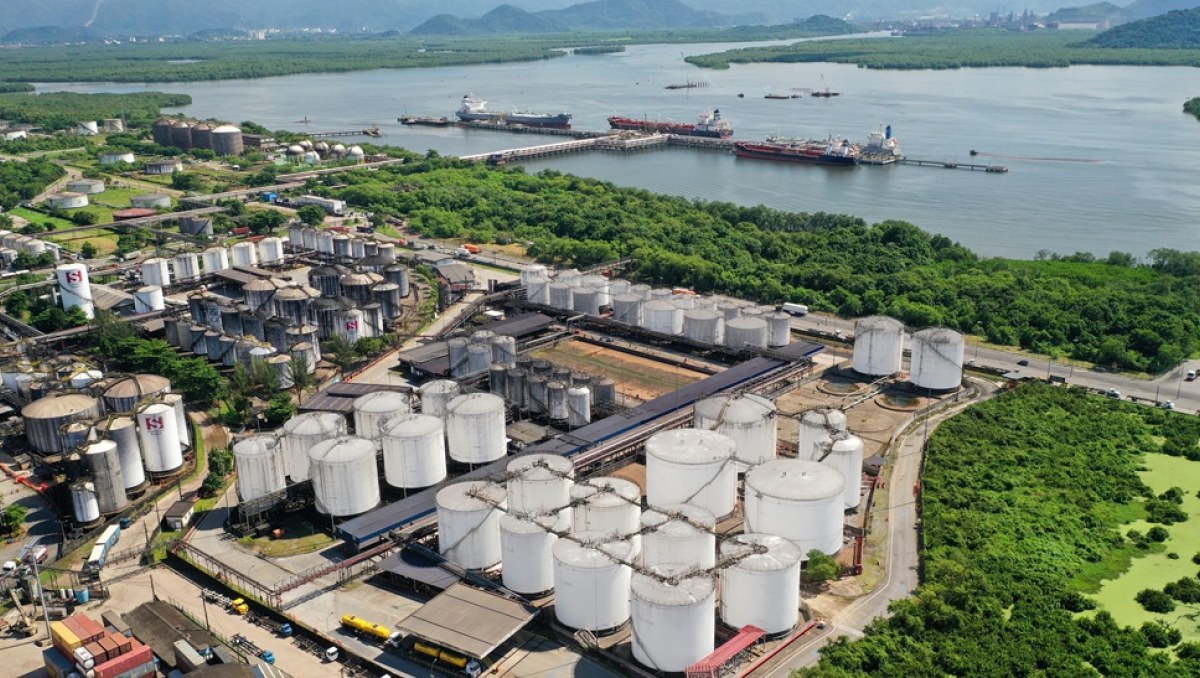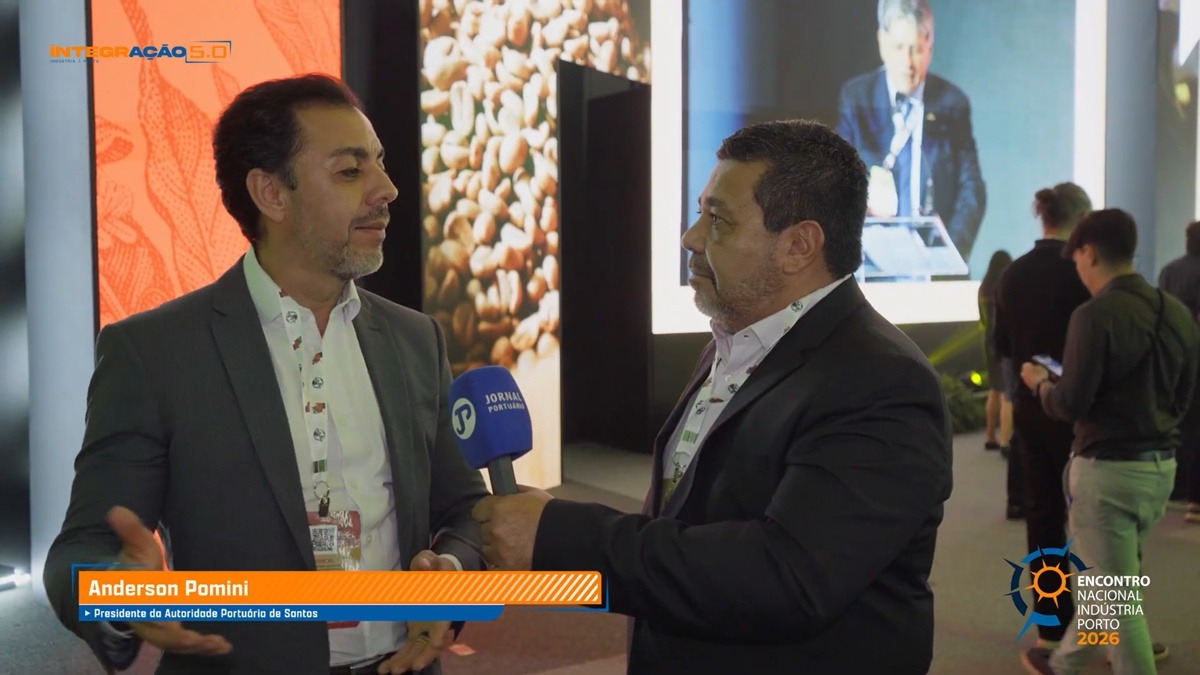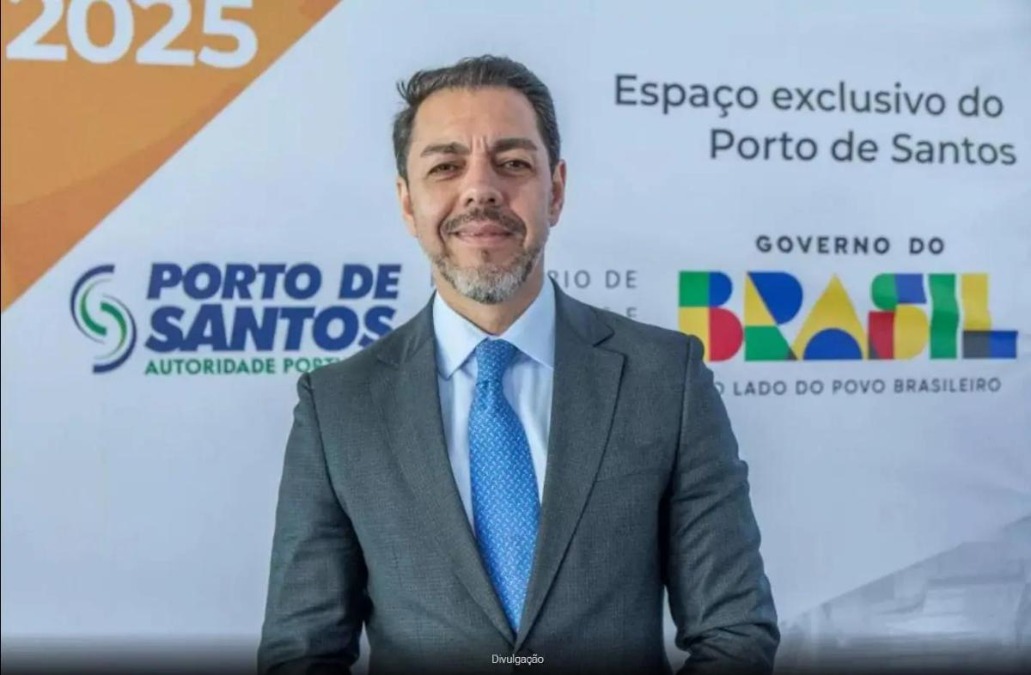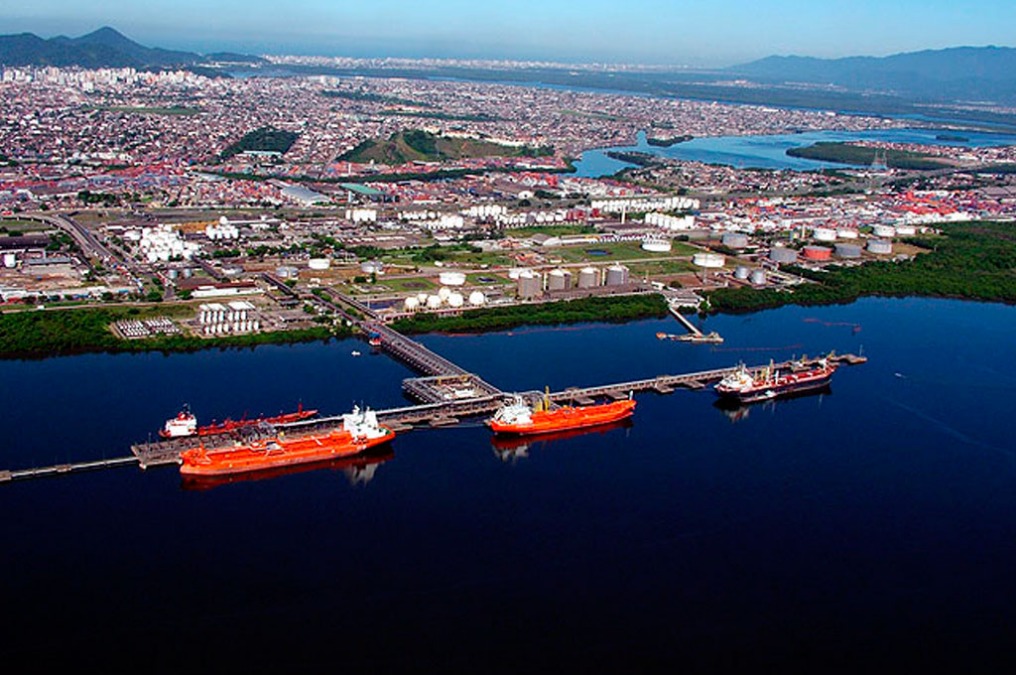
Santos Port is set to undergo a new expansion in liquid bulk handling with the construction of two new berthing positions in the Alemoa region. The announcement was made last Thursday (19th) by the Minister of Ports and Airports, Silvio Costa Filho, and by the president of Santos Port Authority (APS), Anderson Pomini.
With the new berths, the total number of berthing positions in Alemoa will increase from nine to 11, allowing an increase of up to 5 million tons in the capacity for handling this type of cargo. The initiative reinforces Santos Port's strategic role as the country's main logistics hub.
According to APS, the ventures will be conducted by major companies in the sector: Ultracargo Logística, Vopak Brasil, Stolthaven Santos and Granel Química, which already operate liquid bulk operations in the region.
In addition to the port expansion, advances in mobility and road access were also announced. The federal government and port authority reported completion of the basic design for the Left Bank Perimeter Avenue in Guarujá.
The project calls for the implementation of seven kilometers of roadways, plus two kilometers of new overpasses, with the goal of separating heavy vehicle traffic destined for the port from urban traffic. The initiative is expected to reduce congestion and improve road safety in the region.


Among the planned interventions are the realignment of Santos Dumont and Perimeter Avenues, construction of sidewalks and bike lanes, as well as modernization of urban infrastructure, including hydraulic systems, electrical systems and signage.
Another highlight is the construction of an overpass that will directly connect the port terminals to the São Paulo-bound lane of Cônego Domênico Rangoni Highway, eliminating the need for truck traffic through urban roads in Vicente de Carvalho. New overpasses on Santos Dumont Avenue and access routes to the Conceiçãozinha neighborhood are also planned.
The works are part of a set of investments aimed at modernizing port infrastructure and improving logistical integration between port and city, reducing bottlenecks and increasing operational efficiency of Latin America's largest port complex.
```