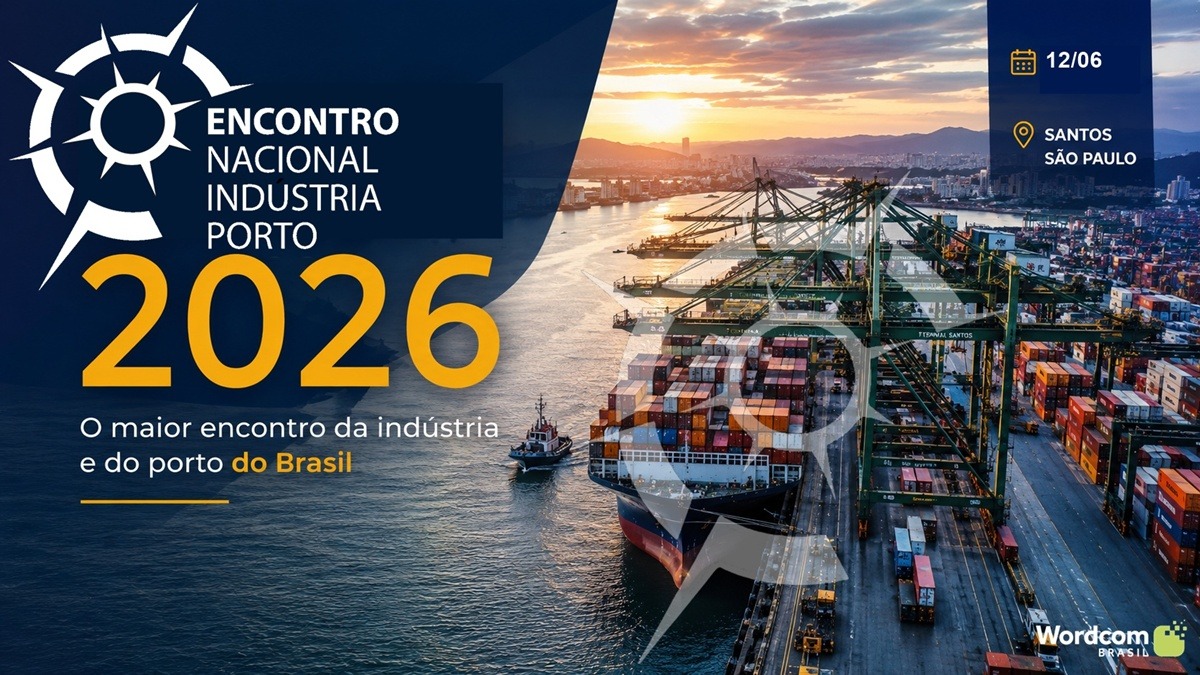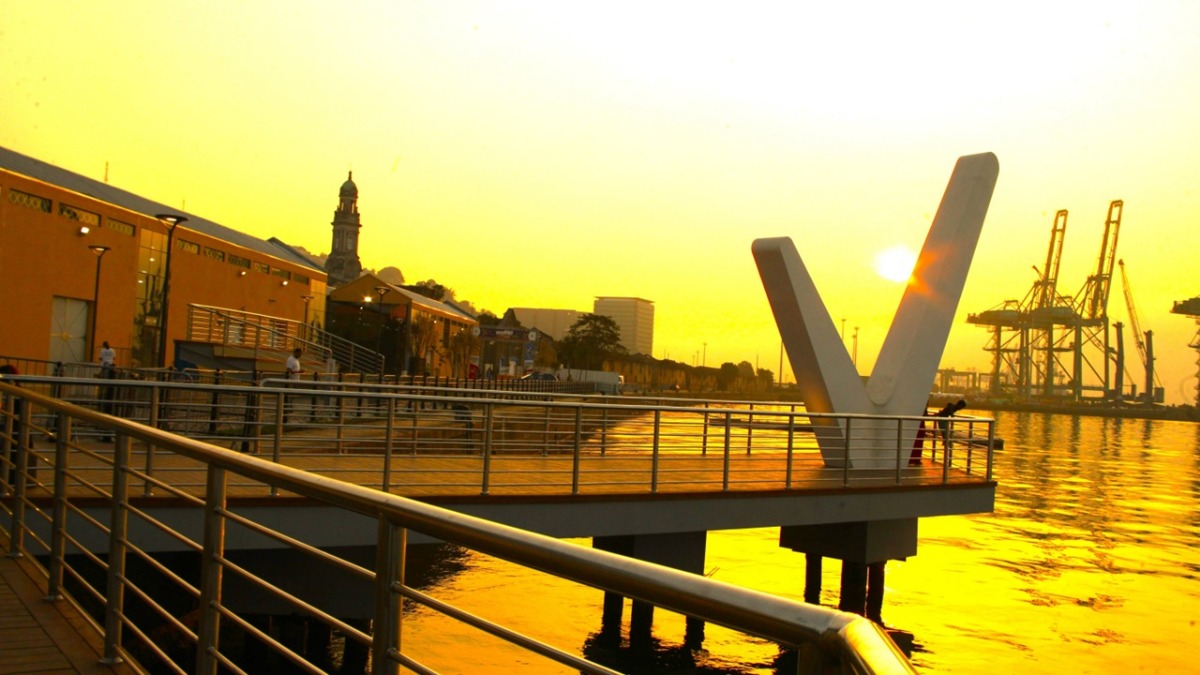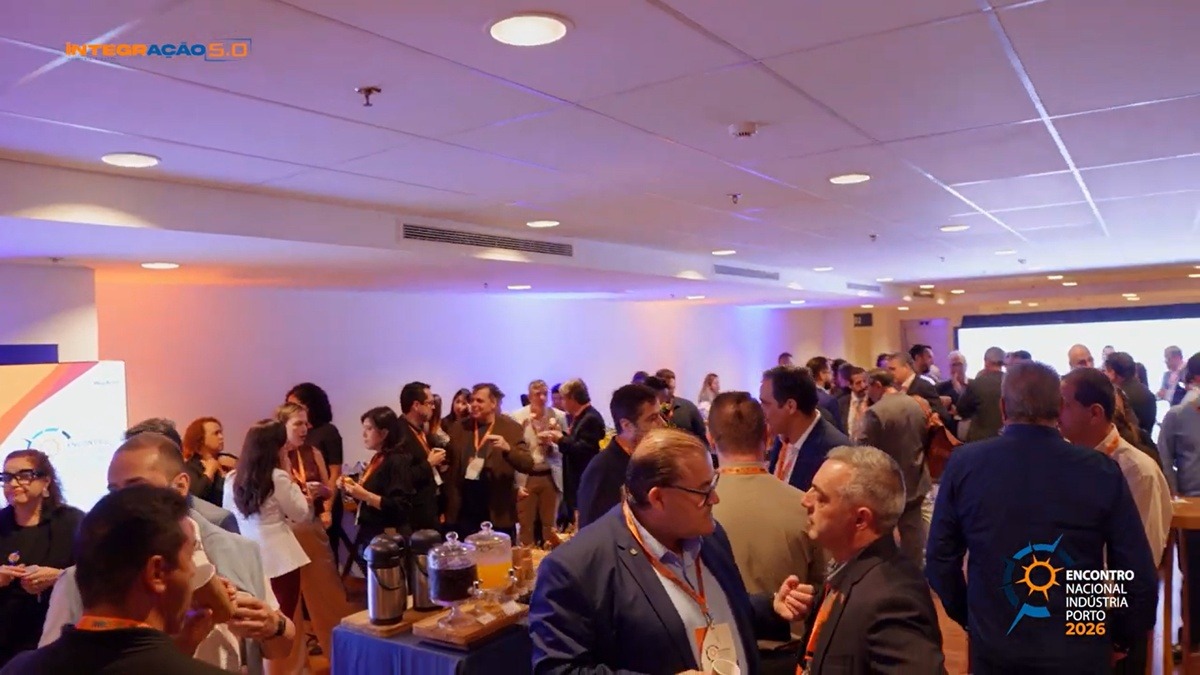
The first stage of ENIP 2026, held in Santos, presented a strategic vision for transforming Santos Port into a logistics, technology and sustainability hub. The debates addressed infrastructure, artificial intelligence, energy transition and integration between port and industry.
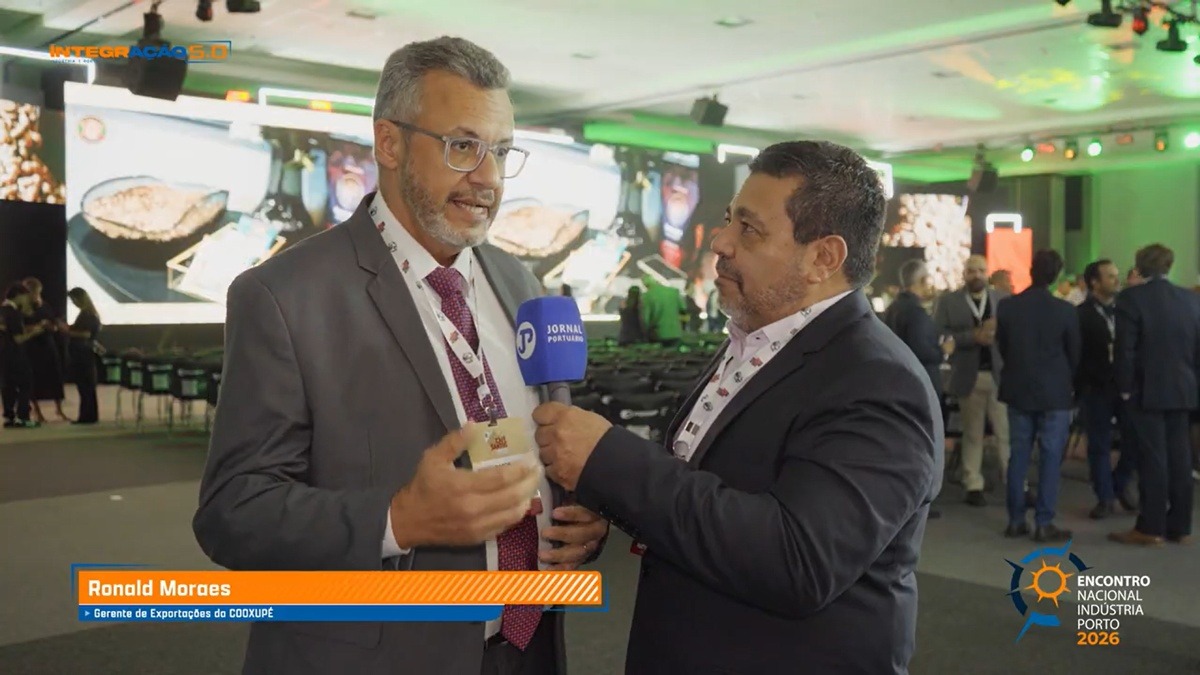
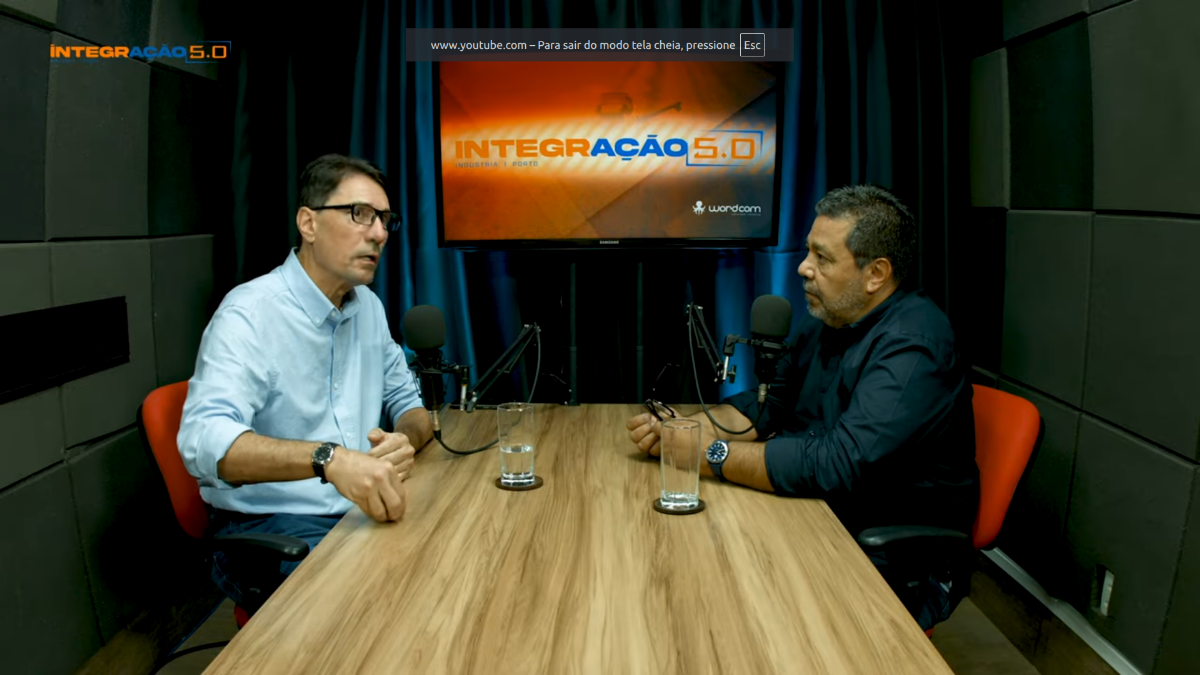
Santos Port is being prepared for a new phase of growth and modernization. This was one of the main conclusions from the first stage of the National Industry-Port Meeting (ENIP) 2026, presented in the Integration 5.0 program, which brought together representatives from the port sector, public authorities, business leaders and experts to discuss the direction of Brazilian logistics infrastructure.
During the debates, the president of Santos Port Authority, Anderson Pomini, highlighted that the Santos complex is being planned with a long-term vision, projecting the next 25 years of development.
Among the structural projects mentioned are the Santos-Guarujá Tunnel, expansion of road and rail access, implementation of the VTMIS system, future dredging and investments focused on energy transition.


According to Pomini, the objective is to consolidate Santos Port as Brazil's primary infrastructure asset, expanding its operational efficiency and strengthening the connection with the industrial sector.
Another recurring theme was sustainability. Santos Port has already initiated actions aimed at electrifying operations, encouraging the use of clean fuels and projects linked to green hydrogen production. These initiatives integrate the decarbonization strategy that has been adopted by the world's major ports.
Beyond physical works, experts argued for expanded integration between port and industry, emphasizing that Brazil's economic development depends on logistics efficiency and the ability to connect domestic production to international markets.
```