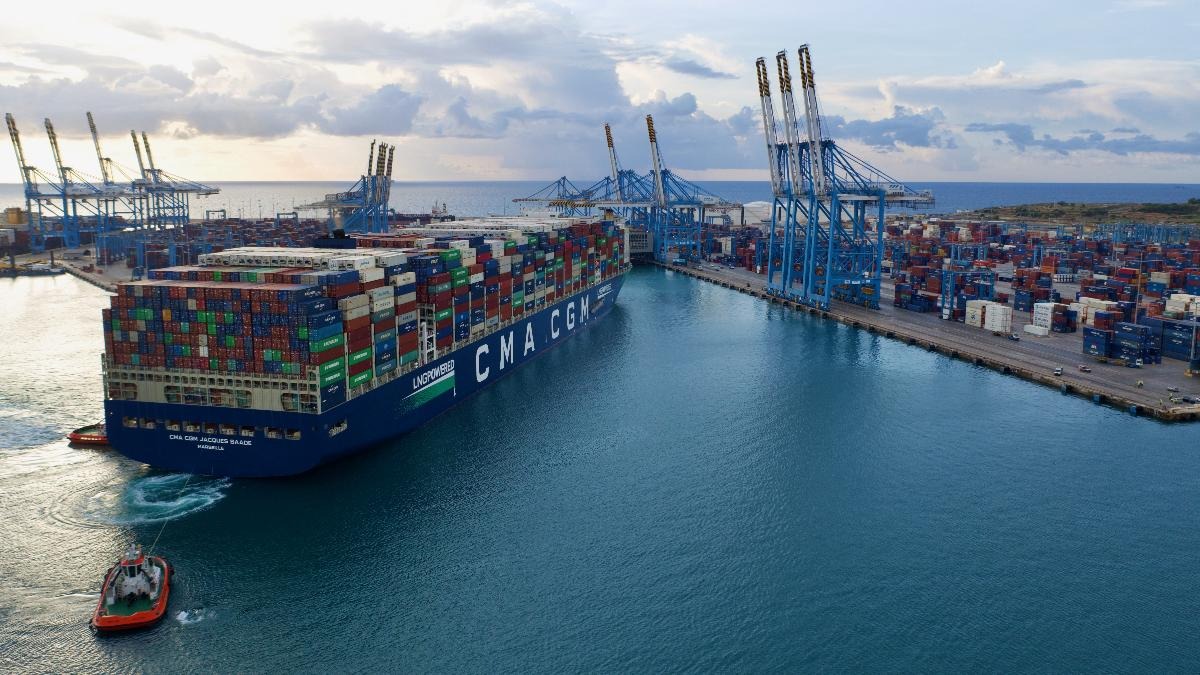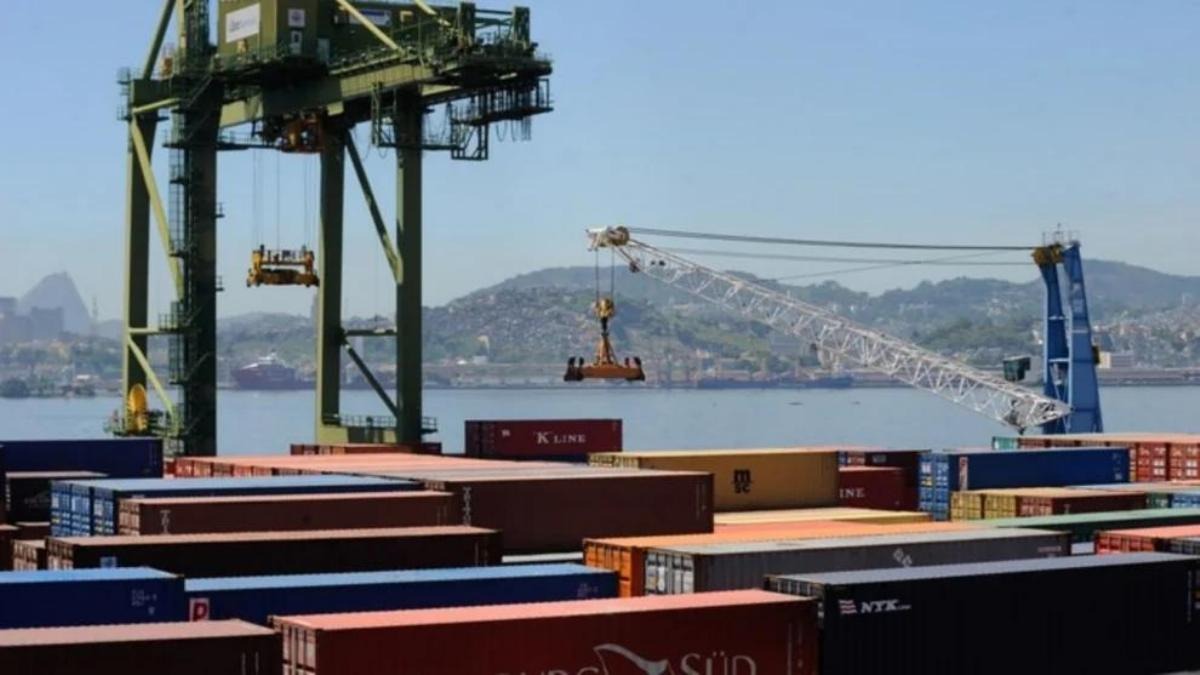
Arauco, a Chilean multinational in the forestry sector, announced an investment of R$ 2 billion in the construction of a port terminal at Santos Port, aimed at exporting cellulose. The project is part of a broader logistics package, estimated at R$ 4.4 billion, which will enable the transport of 3.5 million tons annually between Inocência (MS) and the São Paulo coast.
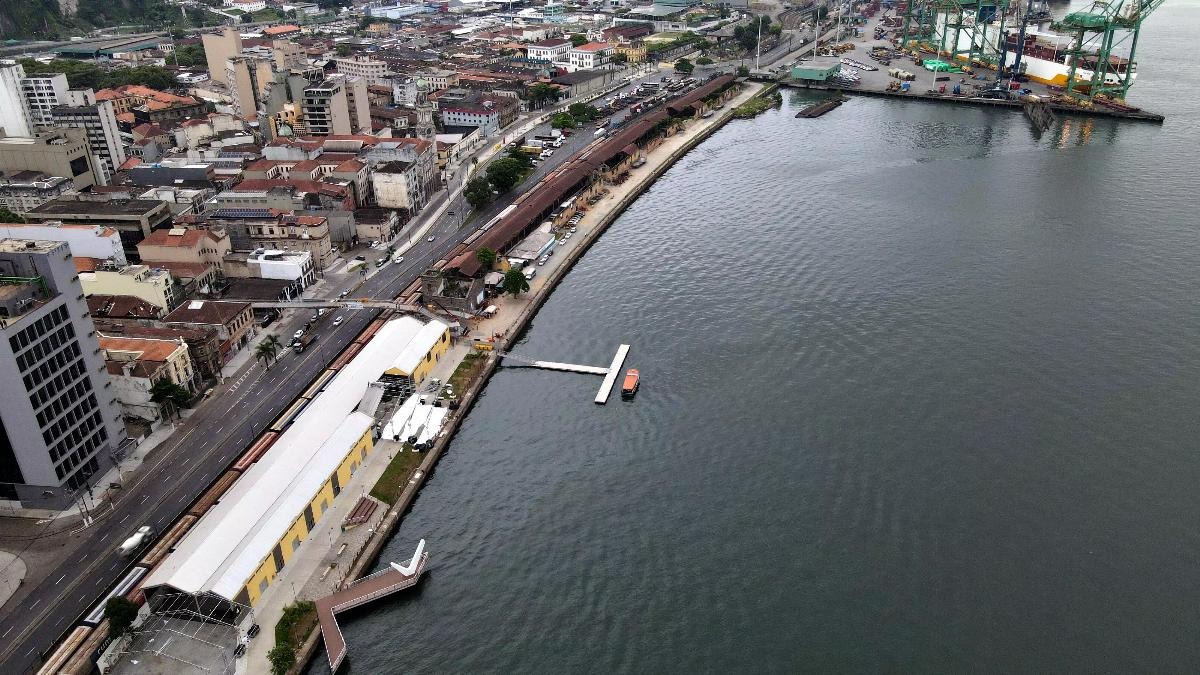
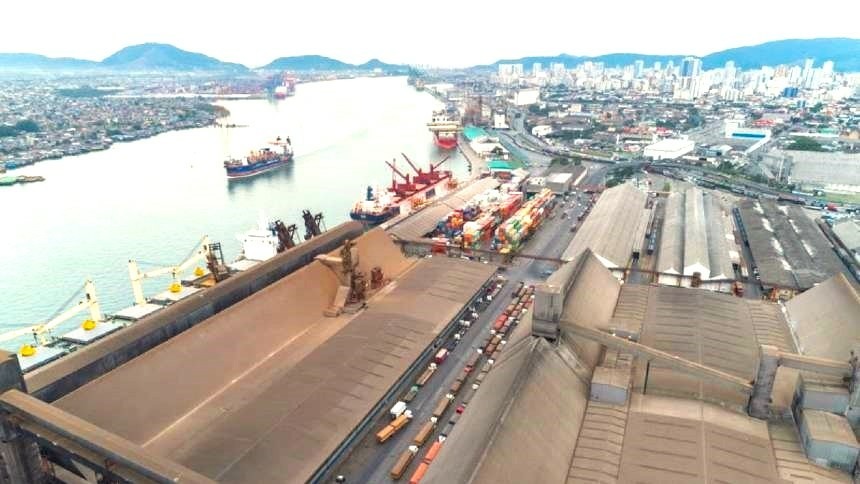
The new facility will be installed on the right bank of Santos port, in the Alemoa region, and will function as the end point of a logistics corridor approximately 1,050 kilometers long. The terminal will be responsible for receiving production from the factory under construction in Mato Grosso do Sul and enabling cargo shipment to international markets, with emphasis on Asia.
The logistics plan also includes the implementation of a 50-kilometer rail branch line, acquisition of locomotives and railcars, in addition to port operations in Santos. The entire structure was planned to serve the company's future industrial facility, considered the world's largest cellulose factory, with operations set to begin in the fourth quarter of 2027.
Located in Inocência, a city with approximately 8,800 inhabitants, the industrial plant, called the Sucuriú Project, will have capacity to produce 3.5 million tons annually of eucalyptus cellulose, with nearly all production destined for export. The total investment in this industrial phase and forest planting reaches US$ 4.6 billion, equivalent to over R$ 24 billion.
Currently, approximately 11,000 workers are engaged in factory construction, a number that should reach 14,000 at the peak of works. Production is expected to begin in around 20 months, requiring the entire logistics chain to be ready simultaneously.
The port terminal in Santos represents the final link in this integrated system. The initiative was made possible following the acquisition of the concession of TUP Alemoa S/A, previously held by Terminal Marítimo Alemoa S.A. The operation has already received technical authorization from the National Agency for Aquatic Transport (ANTAQ) and awaits final approval from the Ministry of Ports and Airports.
With the regulatory process underway, the company can now begin steps such as environmental licensing. The project provides for an area of approximately 200,000 square meters, with dredging work, construction of berths, piers, storage areas and road and rail access. Initially, two berths will be built, with possibility of future expansion.
The terminal will have a depth of 14.5 meters and will be capable of receiving ships with capacity between 50,000 and 80,000 tons. Arauco has already signed contracts with international shipowners, who have ordered vessels at Chinese shipyards to meet demand.


Terminal construction works are expected to be completed in approximately 18 months, with delivery estimated for September 2027, aligned with the factory and railroad schedule.
To enable the total investment in logistics, the company is evaluating different funding sources, including BNDES lines and the Brazilian Merchant Marine Fund.
Another highlight of the project is the positive impact on land logistics. With rail transport, the expectation is to remove up to 200 trucks per day from highways, reducing costs, increasing safety and decreasing emission of pollutants.
Production will be transported by trains with up to 100 railcars, each with capacity of 96 tons, operated by Rumo Logística, from the Cosan group. The contract signed between the companies has a duration of 10 years and includes both transport on the rail network and operation on the dedicated branch line.
For this operation, Arauco acquired 26 locomotives manufactured in Minas Gerais and 721 railcars produced in the interior of São Paulo. This logistics phase alone represents an investment of R$ 2.4 billion.
During the Santos terminal construction phase, approximately 1,850 jobs are expected. In operations, the expectation is to generate 350 to 400 positions. On the rail branch line in Inocência, approximately one thousand people are already being employed since the start of construction in February.
```