```html
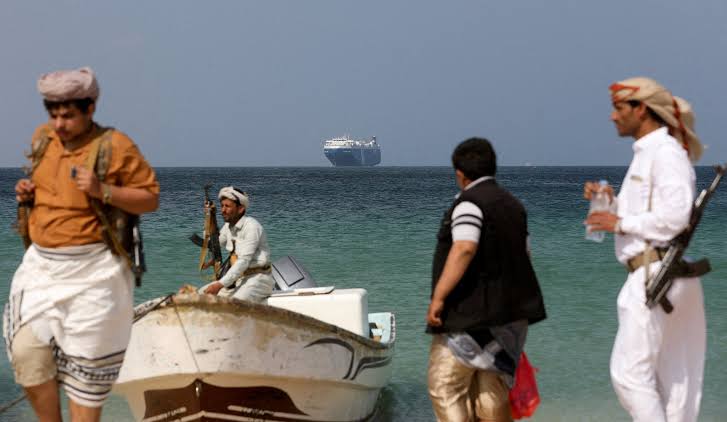
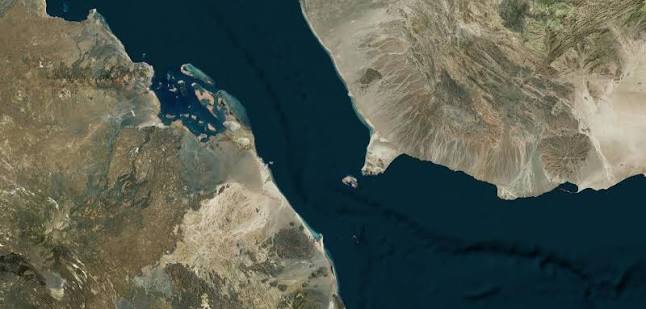
The involvement of the Houthis in the current regional escalation places the Bab el-Mandeb under renewed heavy pressure and revives concerns about a new serious disruption to international maritime routes. The link between the Red Sea and the Gulf of Aden is one of the world's most sensitive trade passages, and any worsening of the threat in that zone has immediate repercussions for maritime transport, insurance, and energy flows.
Despite the absence, for now, of a declared blockade, a mere increase in tension is enough to put the strait back on the radar of major shipping companies. The Bab el-Mandeb is central to the circulation of crude oil, fuels, gas, and goods between Asia, the Gulf, the Mediterranean, and Europe. When risk rises at this passage, so too does the probability of operational detours, longer travel times, and new costs for shipowners.
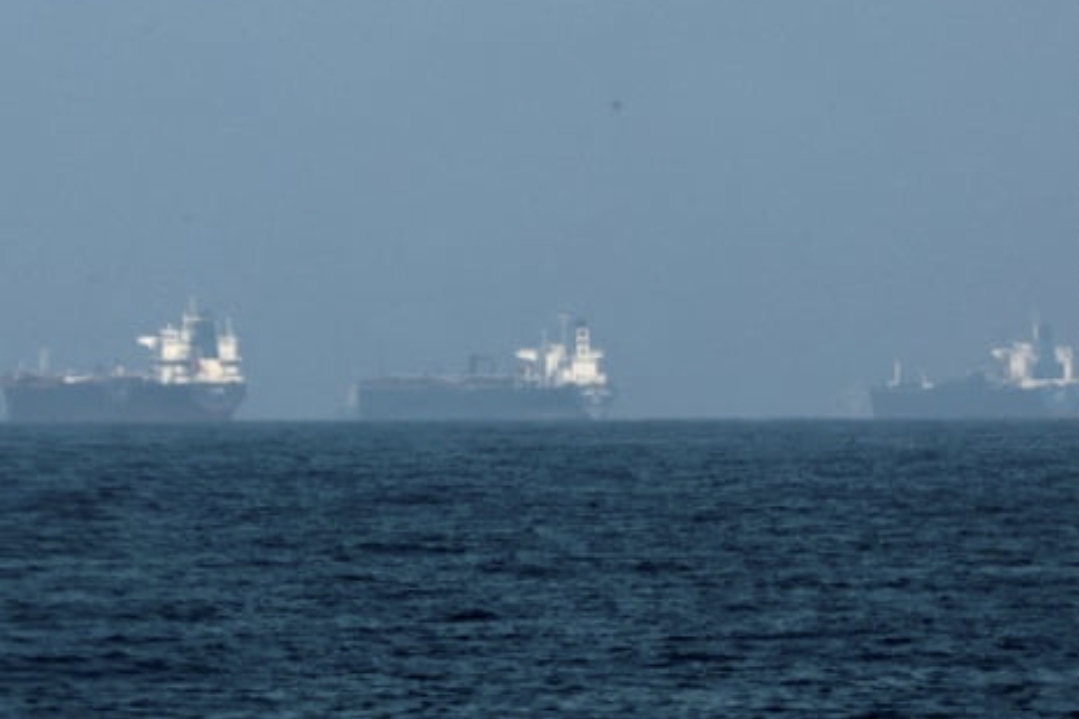
The sector's concern is not limited to a possible formal closure of the route, but also to the possibility of attacks that make commercial navigation too dangerous. Even without an official interdiction, incidents involving missiles, drones, mines, or hostile vessels are enough to keep ships away from the zone and force the use of the Cape of Good Hope route—a longer, more expensive, and more fuel-intensive solution. At a time when the Strait of Hormuz is also going through a phase of high instability, the risk of simultaneous pressure on two of the world's main maritime chokepoints is viewed as a particularly grave scenario for shipping. A parallel deterioration on these two fronts would have direct impact on energy markets, logistics costs, and the stability of global supply chains.
For now, the Houthis appear to be using the Bab el-Mandeb mainly as an instrument of strategic threat, keeping open the possibility of future escalation. Nevertheless, the mere fact that this hypothesis is gaining force again is enough to fuel uncertainty in a maritime corridor that is crucial for the global economy.
This publication was generated from information in the original feed. Credits and source reference have been included at the end of the text.
```
 Geral

 Imports
 Geral
 Geral
