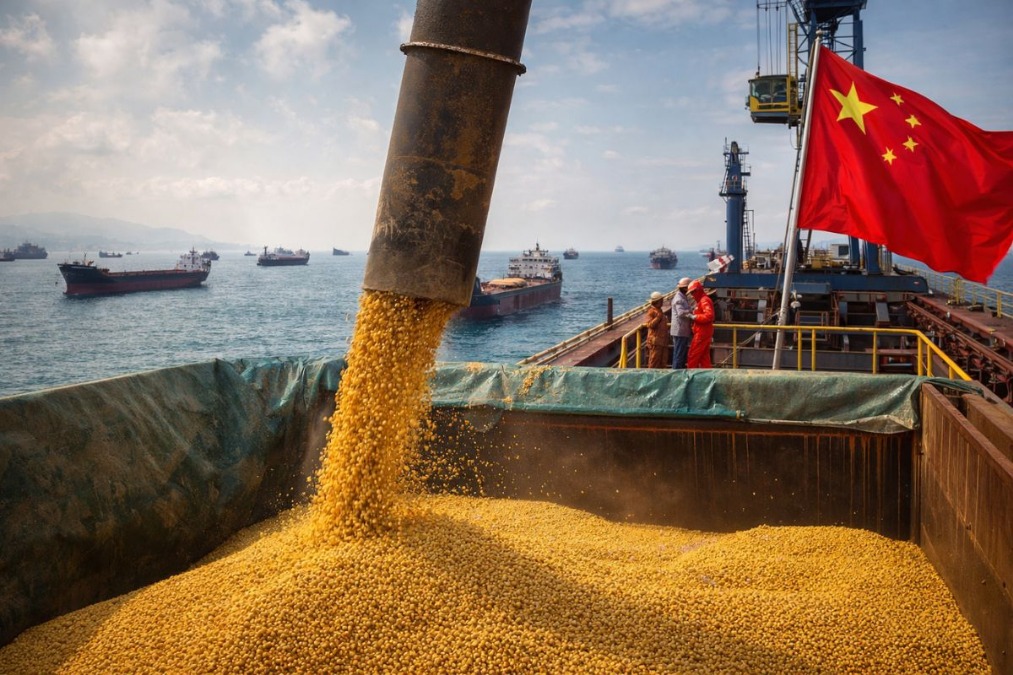
Panama has declared that it will not allow detentions of ships in China's ports to continue, a firm stance that raises tension in the international maritime scenario.
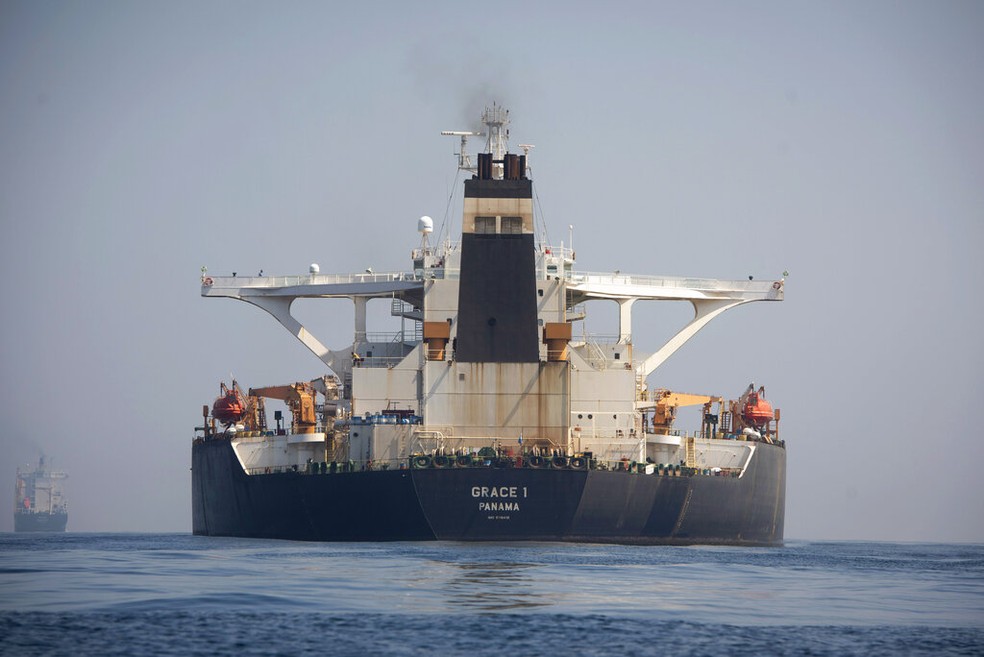
The statement comes amid recent episodes involving vessels registered under the Panamanian flag that were reportedly detained in Chinese territory. The Central American country, known for operating one of the world's largest merchant fleets due to its open registry system, has expressed concern over potential impacts on legal security and the smooth flow of maritime operations.
Panamanian authorities have indicated they are evaluating measures to protect their interests and ensure that their vessels are not subject to what they consider unwarranted detentions. The signal is clear: the country does not intend to tolerate actions that may jeopardize the predictability of international trade.


The episode also sounds a broader alert for the global shipping sector. Ship detentions can generate logistics delays, increased operational costs, and insecurity among shipowners and port operators. In a market highly dependent on efficiency and meeting deadlines, any interference of this kind can trigger cascading effects throughout supply chains.
Furthermore, Panama's stance may reverberate in the diplomatic arena, as it directly involves relations with China, one of the world's leading commercial powers. Experts assess that the unfolding of this case could influence international practices and reinforce debates on maritime governance and rules of conduct in foreign ports.
The scenario is now one of watchfulness on the part of shipowners, port authorities, and governments, who are monitoring Panama's next steps and any potential responses from China in the face of escalating tension.