The Port of Paranaguá is moving forward with a robust decarbonization plan, combined with billion-dollar investments and international partnerships, establishing itself as a global reference in sustainability and logistics efficiency.
Story:
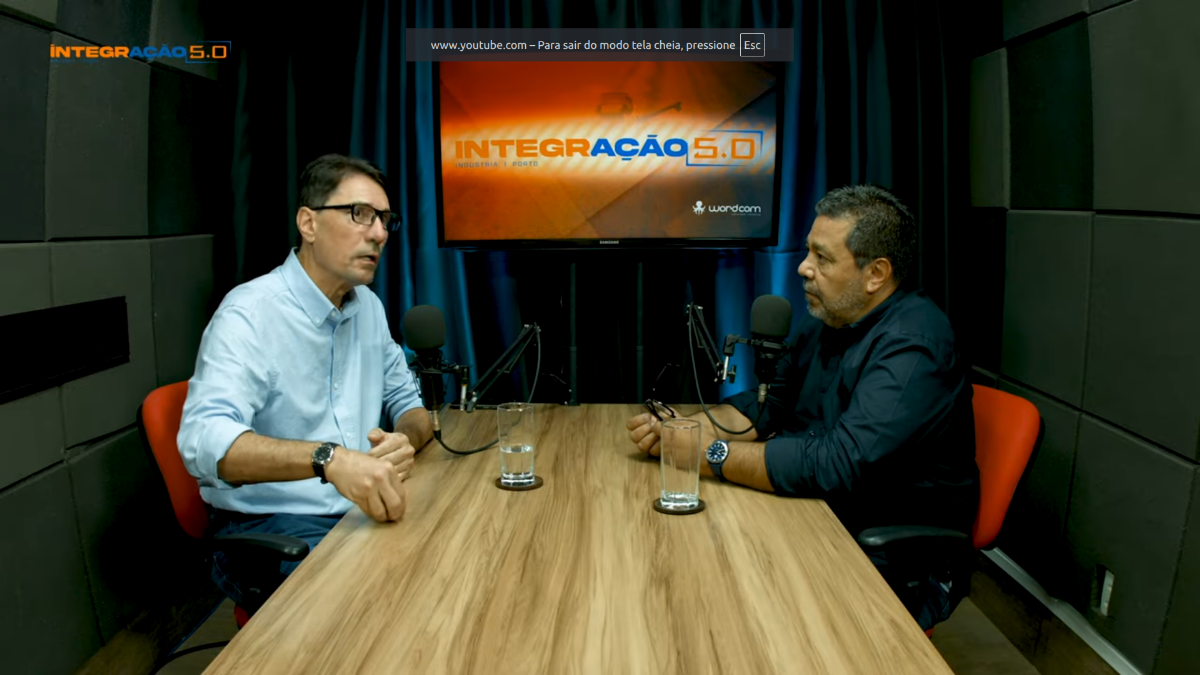
The Integration 5.0 program brought an in-depth analysis of the strategic advances of the Paraná port complex, highlighting the environmental agenda and the attraction of international investments.
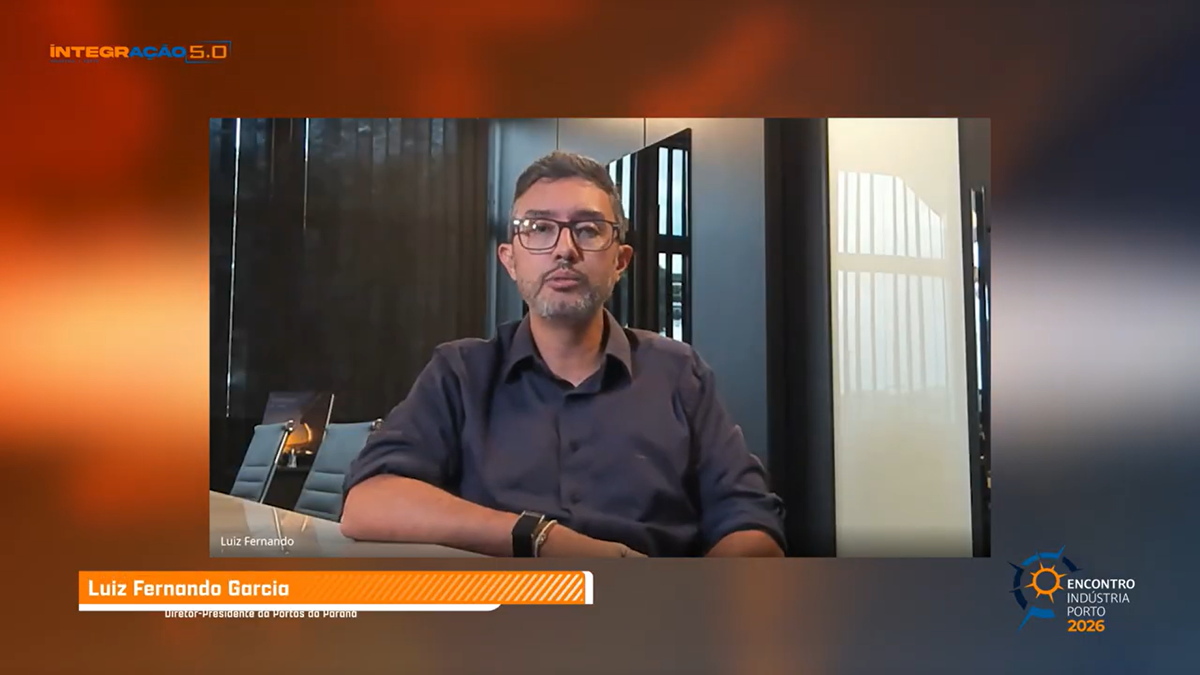
In an interview, the president and chief executive of Portos do Paraná, Luiz Fernando Garcia, detailed the decarbonization plan underway, which aims for carbon neutrality by 2050. According to him, the project began with a comprehensive assessment of the carbon footprint of all port activity, including logistics operations, transport, and terminals.
The initiative counts on international partnership with institutions linked to the Port of Valencia and the Polytechnic University of Valencia, reinforcing the technical and global character of the project. The next stage involves implementing mitigation and compensation measures, with a focus on eliminating or neutralizing emissions.


Furthermore, the port already adopts sustainable practices, such as recovery of degraded areas, incentive for berthing of less polluting vessels, and environmental actions in local communities. International recognition also stands out, with participation in UN climate conferences and relevant environmental certifications.
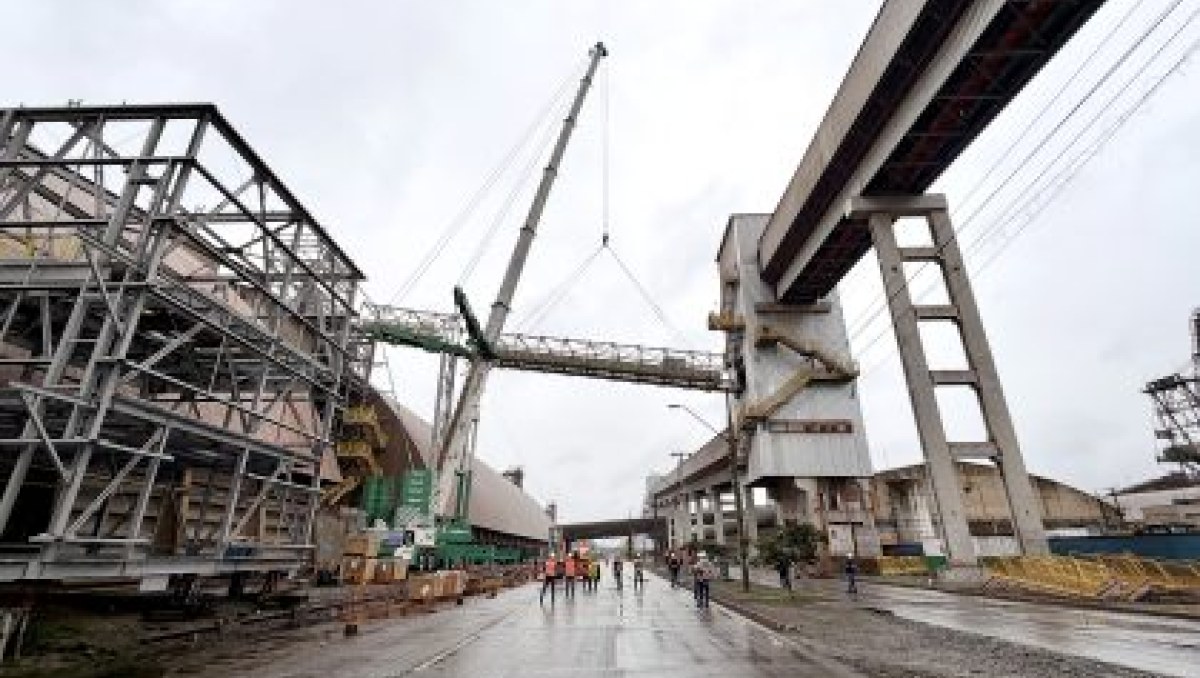
In the economic field, the internationalization strategy has generated concrete results. Investments from major global players, including multinationals and Asian groups, reinforce the port's competitiveness. Billion-dollar projects, especially in the container sector, expand operational capacity and consolidate Paraná as a strategic logistics hub in Brazil.
With more than 20 regular shipping services and an active policy to attract shipowners, the port seeks to build customer loyalty and expand its presence in international trade.