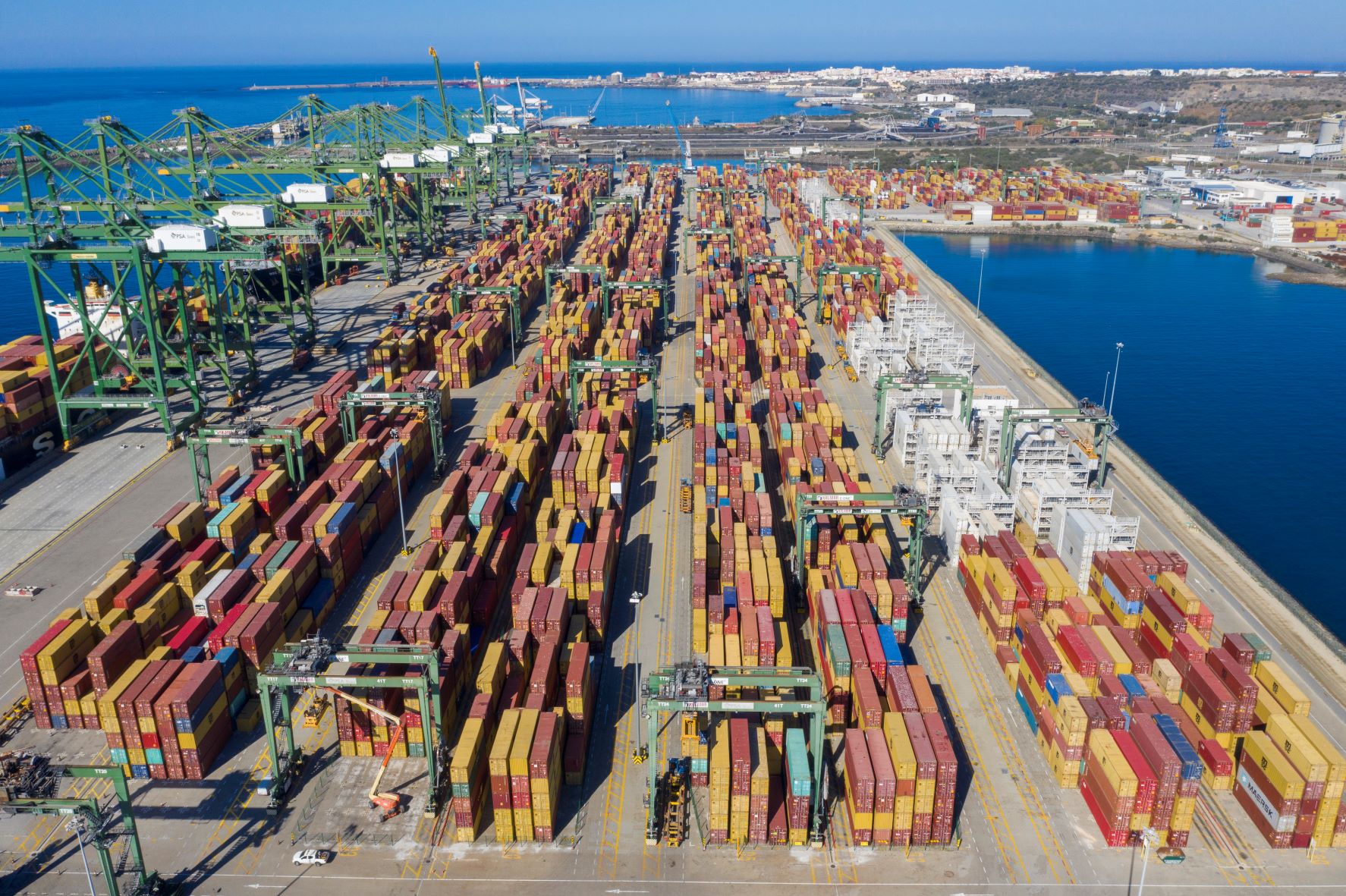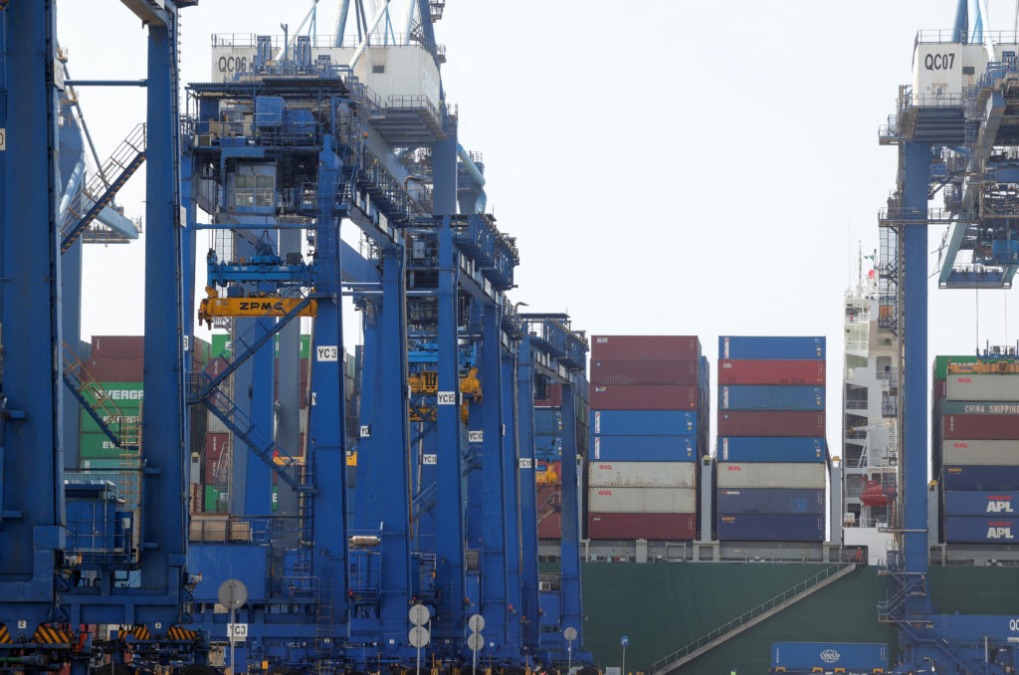
The port of Jeddah, in the Red Sea, is preparing to expand operations in the coming weeks. With restrictions in the Strait of Hormuz and Persian Gulf airspace, terminals on Saudi Arabia's west coast that used to receive fewer than five ships at their berths in a single afternoon have become a safer route for the region.
About three hours to the north, a 1,100 km pipeline was adapted to carry Saudi oil to Yanbu, also on the Red Sea, boosting traffic in the region, which has grown about one-third since the conflict began, according to Saudi authorities.
Ensuring the arrival of supplies is also crucial, as the region imports around 85% of its food. Attacks among the US, Israel and Iran have affected Gulf ports, disrupting import and export chains.
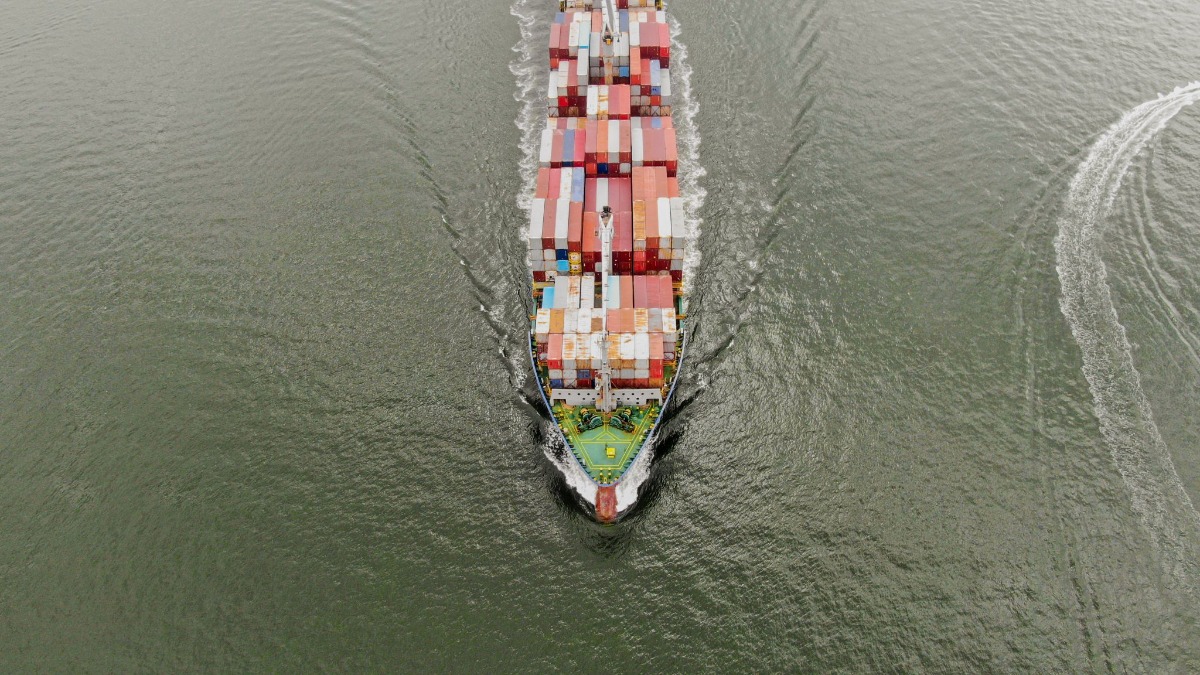
Since the war began, more than 60 ships heading to Gulf ports have had to change route. Some returned to their bases in China and India, according to MarineTraffic data shared with CNN. Some headed toward ports on the Arabian Peninsula along the Arabian Sea and Red Sea, others chose more distant regional ports.
The Omani ports of Sohar and Salalah, the UAE port of Khor Fakkan and the Saudi port of Jeddah have emerged as the necessary alternatives to deliver cargo directly to the Arabian Peninsula.


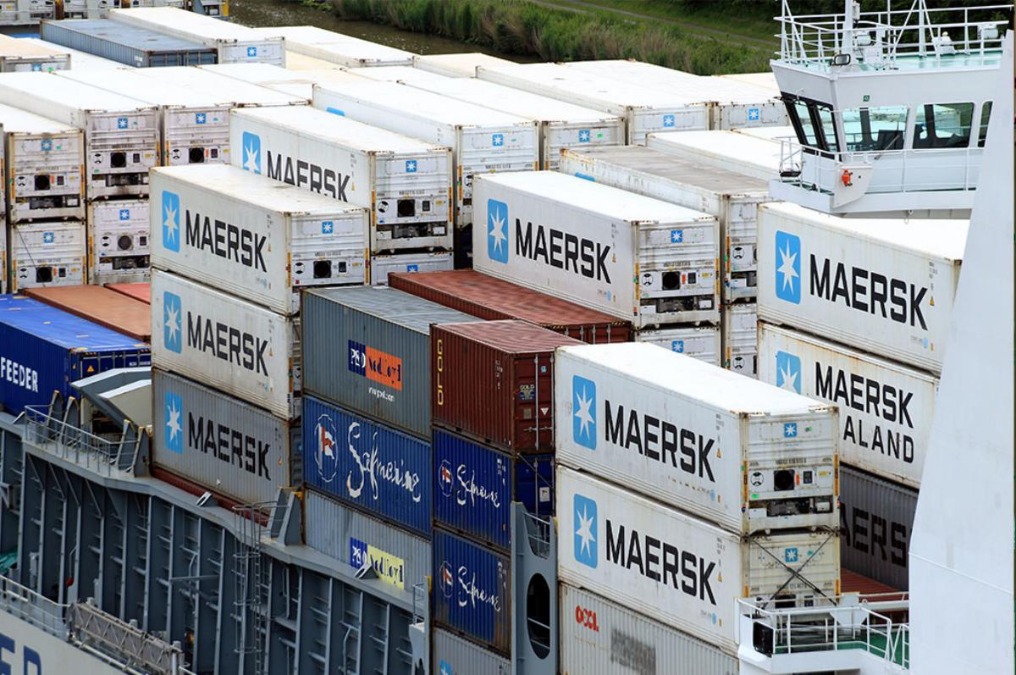
As the war advances, concerns grow about supplying supermarkets and pharmacies. Charles van der Steene, regional director of shipping giant Maersk, said shipping companies are working with local governments to establish priorities.
He further states that food and medicines are the priority to ensure that the population can receive what is necessary for daily life.
Being the only country bordering all its Arab neighbors in the Persian Gulf, Saudi Arabia launched a logistics initiative to facilitate land transport to these countries, with more than 94,000 trucks crossing borders. In this scenario, Jeddah stands out as the main gateway and may register an increase of up to 50% in arrivals.
Despite this, risks persist. Attacks on nearby energy facilities and the possibility of conflict escalation still concern the sector. Although the Red Sea has become a more reliable route, companies remain cautious and evaluate alternatives should the situation worsen.