Maritime transport expected to expand certified officer workforce by more than 114,000 professionals by 2030
The need for qualified professionals remains among the main challenges of global shipping. A new survey conducted by BIMCO in partnership with the International Chamber of Shipping (ICS) estimates that maritime transport will need to train and recruit 113,735 certified officers by 2030 to meet the expansion of the merchant fleet and maintain the pace of growth in global operations.
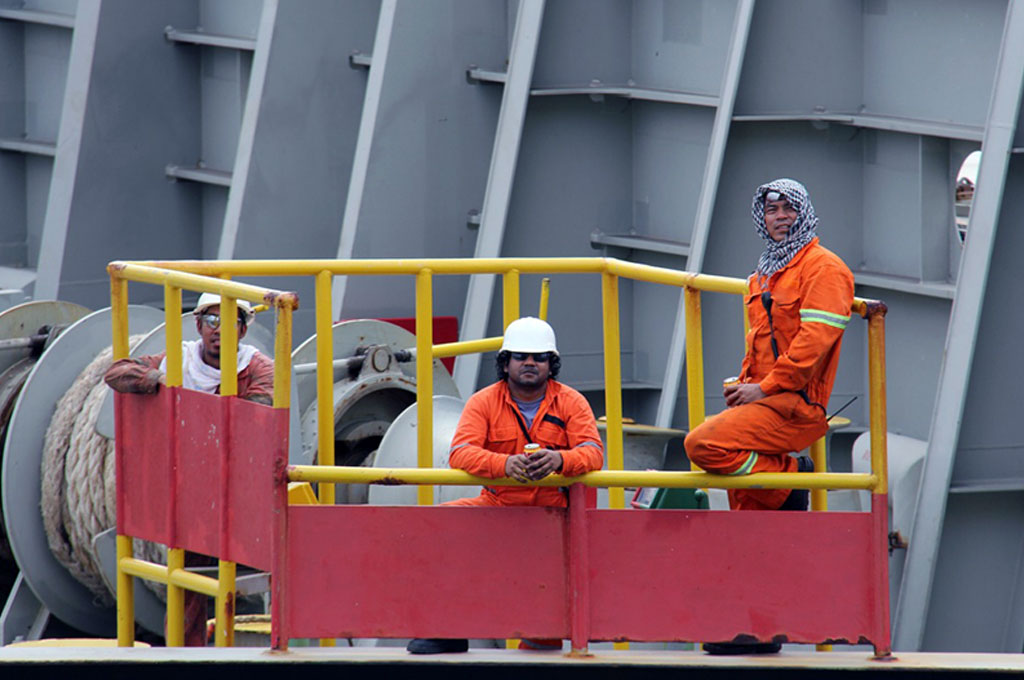
The study shows that there are currently approximately 2.57 million seafarers on board roughly 85,148 merchant vessels around the world. Nevertheless, the industry already faces a shortage of 39,100 certified officers under the STCW Convention, a scenario that highlights the difficulty in meeting the demand for specialized professionals.
According to the projection, it will be necessary to recruit annually about 22,747 officers and 8,475 ratings until the end of the decade. In percentage terms, this represents an average growth of 2% per year in demand for officers and 0.5% for ratings.
Fleet growth drives demand
The data show that demand for certified professionals has increased significantly since the previous edition of the report, published in 2021. Total demand for STCW-certified seafarers recorded growth of 35%, driven mainly by merchant fleet expansion and recovery in maritime activity following the pandemic.
In the same period, the need for officers increased by 23.1%, while demand for ratings showed even greater growth of 46.3%.
According to BIMCO Secretary-General and CEO David Loosley, the sector needs to act in a coordinated manner to ensure the availability of qualified labor in the coming years.
According to him, investing in recruitment, training, and retention of professionals will be key to enabling the industry to meet future maritime shipping needs.


New skills will be essential
ICS Secretary-General Thomas A. Kazakos highlights that the challenge is not only about expanding the number of professionals, but also preparing the workforce for a scenario of rapid technological and environmental transformations.
With the adoption of alternative fuels, new on-board technologies, and increasingly digitalized processes, the sector will demand professionals with updated skills to keep pace with the energy and operational transition of the maritime industry.
Furthermore, retention of experienced professionals is increasingly considered strategic to ensure knowledge transfer to new generations.
Investment in training gains prominence
The report recommends that governments, companies, and educational institutions expand maritime training programs, strengthen initiatives to attract young people to the career, and develop policies aimed at talent retention.
More efficient monitoring of global maritime employment trends is also advocated, enabling faster responses to the growing shortage of specialized labor.
For the entities responsible for the study, ensuring sufficient supply of qualified professionals will be one of the decisive factors in maintaining the competitiveness of maritime transport and guaranteeing the functioning of international logistics chains in the coming years.
```