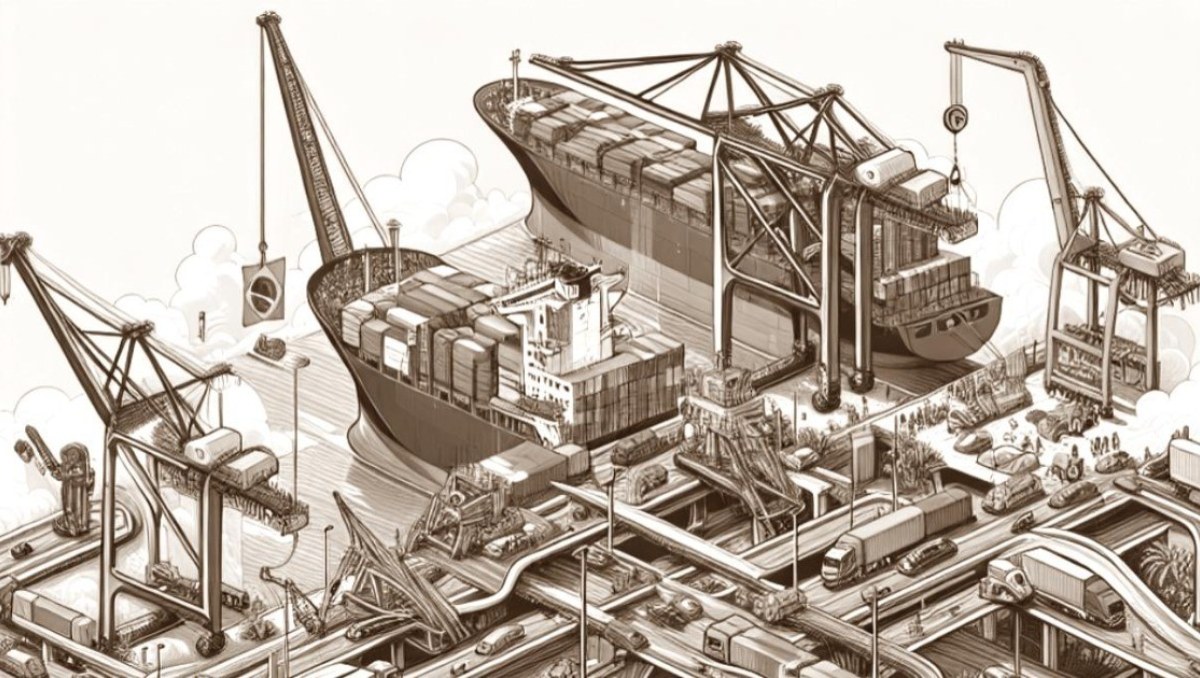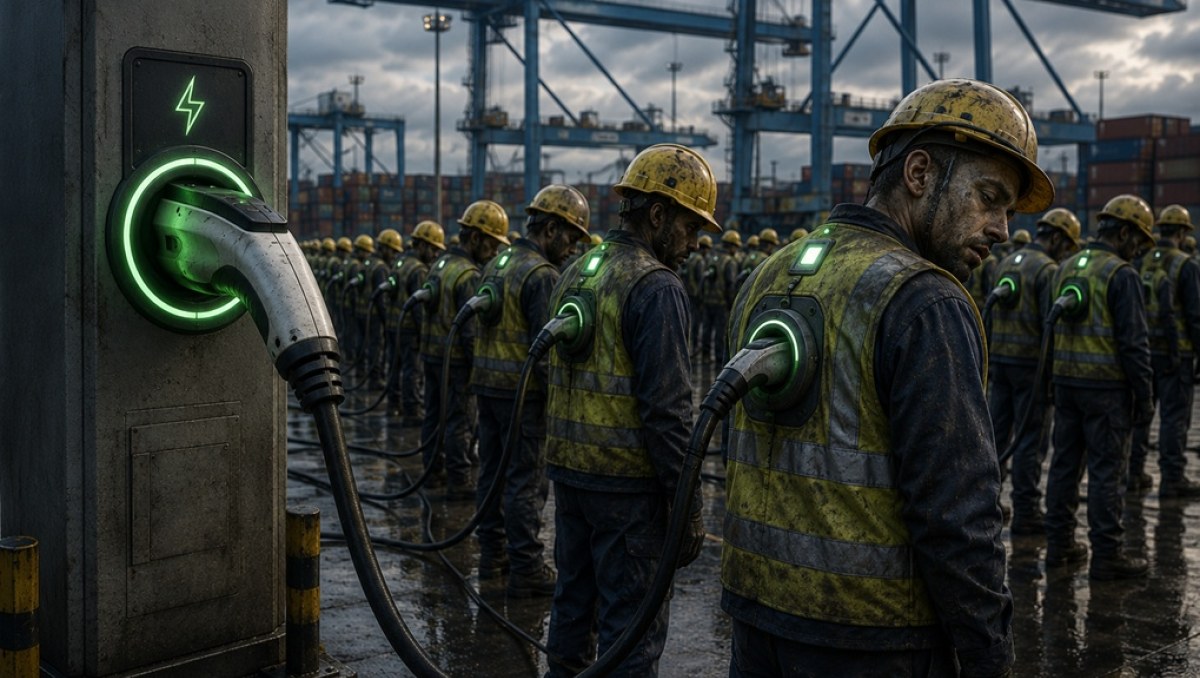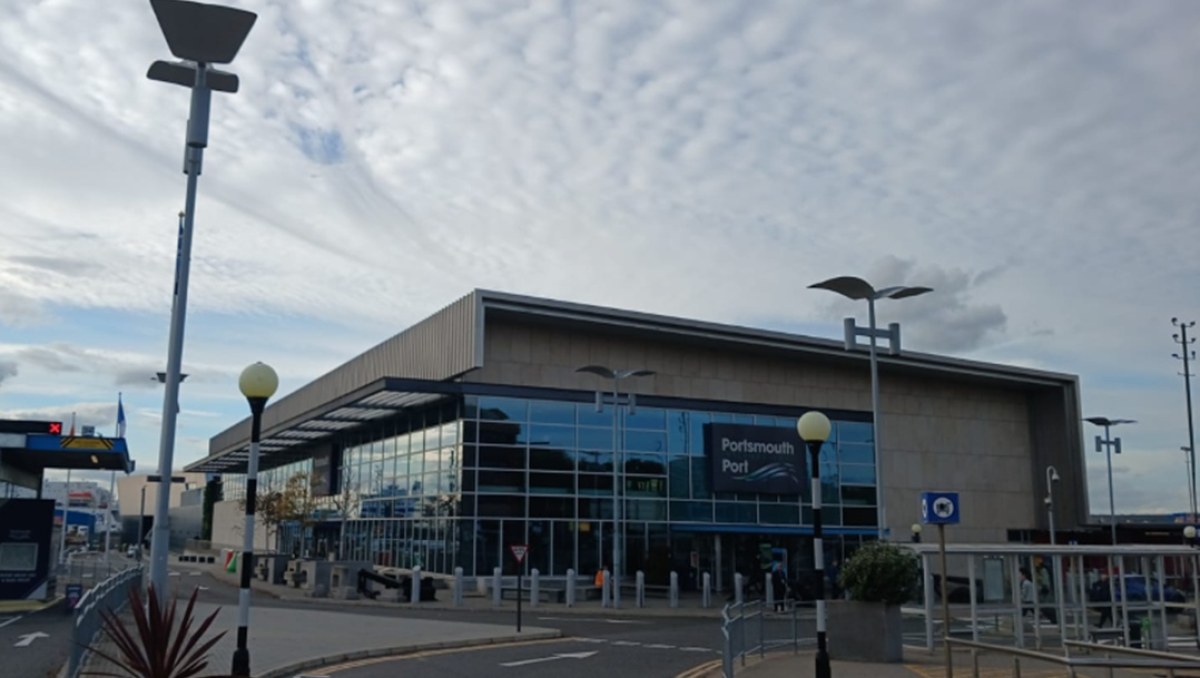
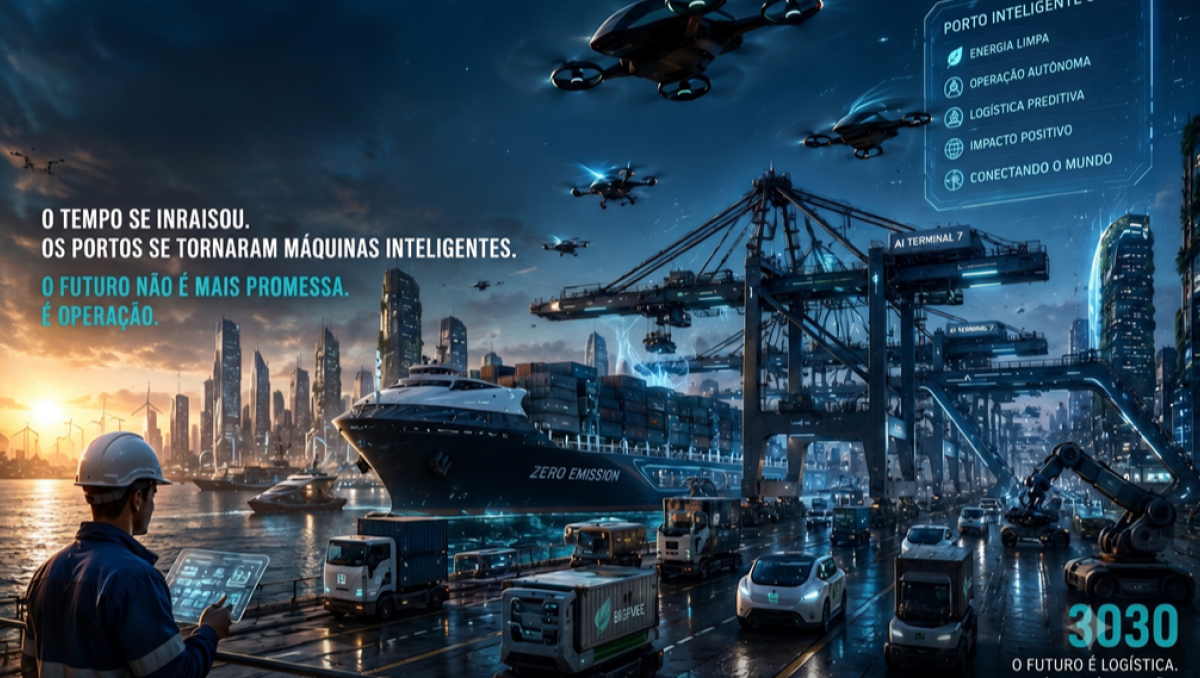
In the year 3030, time is no longer counted merely on clocks, but in cycles of energy, data, and sustainability. Ports, once scenes of steel cranes and ship whistles, have transformed into intelligent organisms: machines that think, learn, and adapt. Autonomous wharves receive silent vessels guided by artificial intelligence, while intercontinental logistics corridors operate with near-absolute precision.
Yet the essence remains. The port continues to be the link between peoples, cultures, and economies. Defying the centuries, port activity has shown that technology does not replace the human mission of connecting the world; it merely enhances it.
If in 2025 we discussed digitalization and decarbonization, in 3030 we reap the fruits of that vision: installations that produce more energy than they consume, transparent supply chains, and a harmonious relationship between commerce and the environment.


Reaching 3030 is realizing that the future was never merely about machines. It was about humanity's capacity to imagine, innovate, and build ports that, though resembling gigantic living gears, continue to pulse with the same purpose that originated them millennia ago: opening pathways to progress.
```