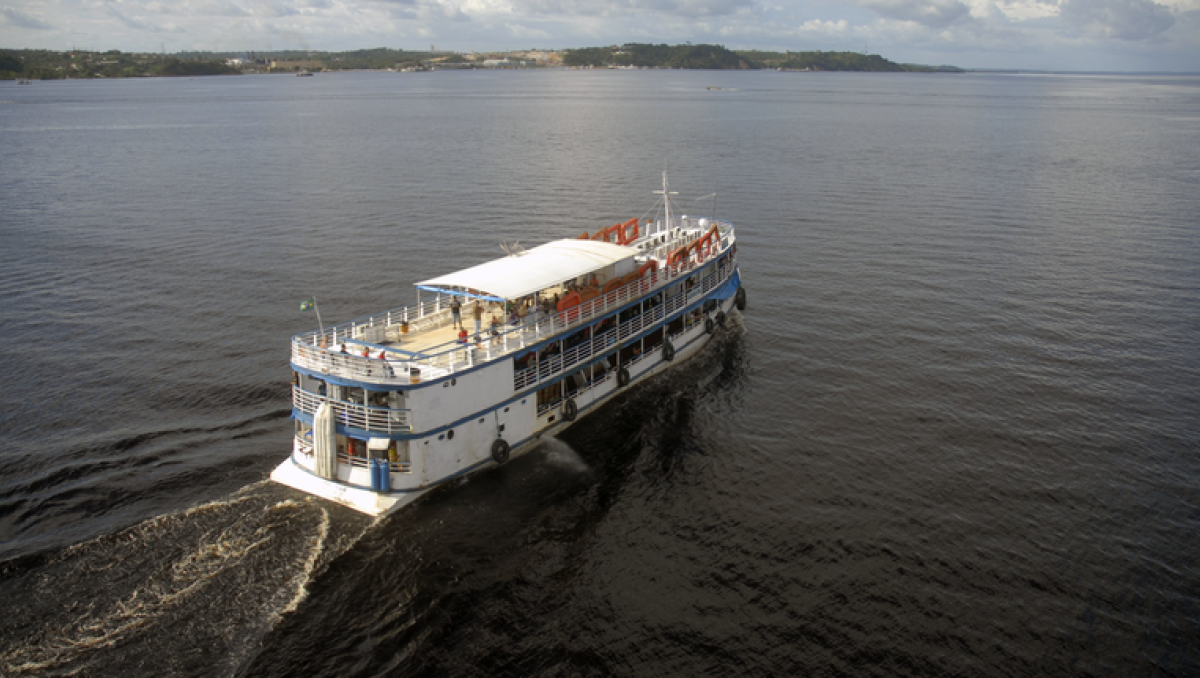
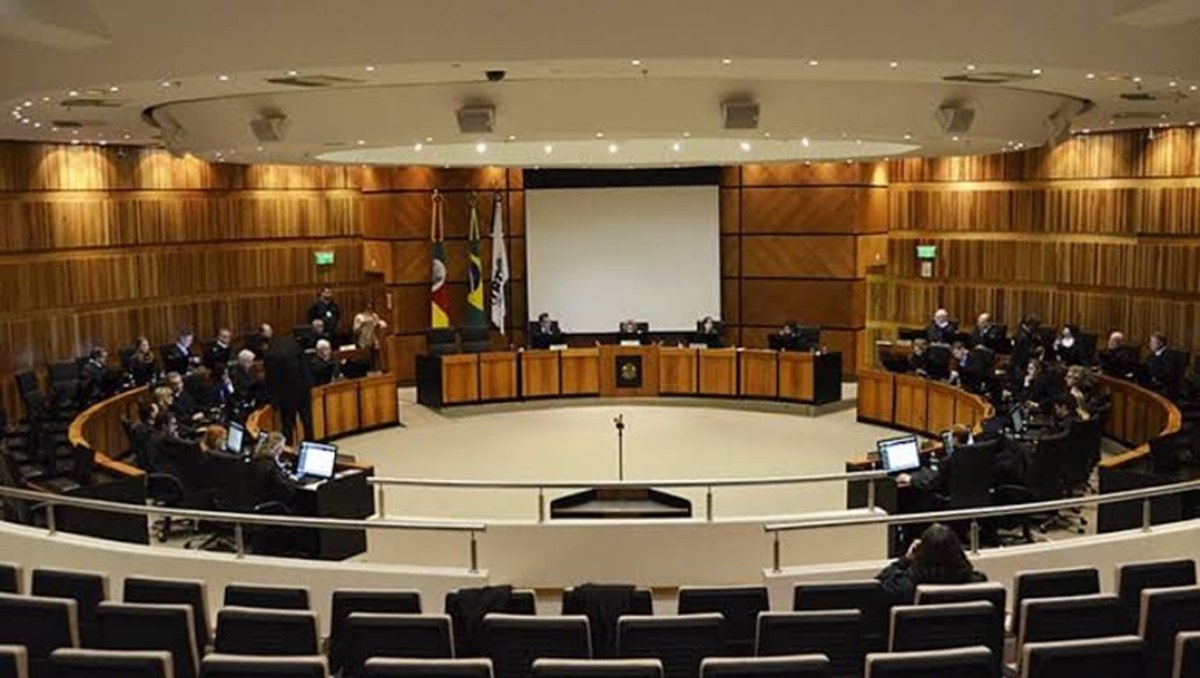
The 4th Panel of the Regional Labor Court of the 4th Region (TRT-RS) unanimously upheld the dismissal for just cause of a marine pilot involved in a collision between vessels that caused damages exceeding R$ 1.25 million. The panel maintained the sentence from the 1st Labor Court of Rio Grande, in Rio Grande do Sul, concluding that the gravity of the conduct justified the penalty applied by the employer.
The judgment considered the conclusions of the expert report conducted by the maritime authority, witness statements, and the circumstances of the navigation. According to information released about the case, the vessel operated by the professional was large and was transporting 86 containers at the time of the accident.
Expert report identified flaws in navigation procedures
During the labor proceedings, the pilot argued that the collision had been caused by problems related to the location of the other vessel, adverse weather conditions, and failures in navigation equipment.
The expert report, however, pointed to negligence by the professional for failing to properly use the radar and binoculars available on board. The report also indicated that he confused the lights of the vessel with the terrestrial lighting of São José do Norte, a municipality located on the Rio Grande do Sul coast.
The statements collected during the proceedings contradicted other arguments made by the defense. According to information released about the judgment, the other vessel was in a regular location, was not overloaded, and the climatic conditions were considered normal at the time of the collision.
Another point highlighted in the judgment was the use of a personal cell phone during nighttime navigation, during a maneuver considered critical. For the panel, the conduct evidenced negligence in the exercise of a function that requires constant attention to safety procedures.
Why was just cause upheld?
The dismissal was based on Article 482, subsection "e", of the Consolidation of Labor Laws (CLT), which provides for negligence in the performance of duties as grounds for termination of employment for just cause.
Although negligence is normally associated with the repetition of professional failures, the sentence recognized that a single conduct can justify the maximum penalty when it presents exceptional gravity.
Judge Carolina Toaldo Duarte da Silva Firpo, of the 1st Labor Court of Rio Grande, considered that the negligence exposed the crew members of both vessels to risks and caused significant damages to the employer.
In appealing, the worker also questioned the eight-day interval between the accident and the application of the penalty. According to the defense, the period would contradict the requirement of immediacy, which requires a company response compatible with knowledge and investigation of the fault.


The argument was rejected. The sentence considered that the period was necessary for investigation by the maritime authorities and took into account that the crew remained on board until arrival at the destination.
Court upheld the decision unanimously
The pilot appealed to the TRT-RS but was unable to reverse the just cause dismissal. The reporting judge of the appeal, visiting judge Cacilda Ribeiro Isaacsson, understood that the evidence demonstrated negligence and recklessness in the operation of the vessel.
The panel considered that the gravity of the conduct justified the direct application of the penalty, without the need for prior warnings or suspensions.
The decision reinforces that, in the labor law context, operational accidents can have disciplinary consequences when there is sufficient evidence of serious conduct attributable to the employee. The conclusion, however, depends on the circumstances and evidence of each case.
According to information published about the case, further appeal is still possible.
Operational safety and professional responsibility
The judgment draws attention to the importance of compliance with navigation procedures, the use of available equipment, and attention during nighttime maneuvers.
``` ```htmlIn maritime operations, the evaluation of occurrences requires technical analysis of navigation conditions, equipment, decisions made by the crew, and the dynamics of the accident. In the case analyzed by TRT-RS, the expert conclusions and other evidence were decisive in upholding the labor penalty.
The decision addresses specifically the validity of dismissal for just cause and does not replace any investigations into maritime liability for the accident or other aspects related to material damages.
```